Dietary guide
Dairy-free, nut-aware & allergy-safe dining in Tokyo

The good news
Traditional washoku leans on rice, fish, soy, vegetables and dashi — so dairy is rare and tree nuts/peanuts are uncommon in classic dishes. Sushi, sashimi, grilled fish, soba, simmered vegetables and most rice dishes carry little dairy or nut by default. That makes Japan, in many ways, an easier place to eat dairy-free than the West.
Where dairy hides
Dairy shows up mainly in yoshoku (Western-influenced Japanese food) and bakeries: butter on grilled corn or scallops, cream croquettes, gratin, and the milk and butter in bread, pastries and many desserts. A matcha latte or a creamy soup is the obvious culprit; a bowl of soba is not.
Where nuts & sesame hide
Tree nuts and peanuts are far less central than in many cuisines, but *sesame (goma) is everywhere — in dressings, gomadare dipping sauce, sprinkled on rice and vegetables, and in many sweets. Peanuts appear in some dressings and snacks; walnuts and ginkgo (ginnan*) turn up in seasonal dishes. If you react to sesame, treat it like a major allergen here and ask about every sauce.
How to reduce risk
- Name the ingredient, not just the label. "Does this contain milk/butter?" or "Does this contain sesame/nuts?" beats "Is this allergy-friendly?"
- Carry a written phrase card (see our dietary phrase card) — a clear Japanese sentence is far more reliable than spoken English.
- For a severe allergy, choose dedicated kitchens. A vegan kitchen like Saido or Sasaya Cafe is dairy-free by definition; a certified gluten-free kitchen like T's Kitchen controls its ingredients tightly; the plant-based bakery Universal Bakes makes everything without eggs, milk or butter.
- Say the magic words for a serious reaction: arerugii ga arimasu. shouryou demo kiken desu. (I have an allergy; even a small amount is dangerous.)
No restaurant outside a certified allergen-free kitchen can guarantee zero cross-contamination, so for anaphylaxis-level allergies, plan ahead and confirm directly.
我们已确认的餐厅
Universal Bakes and Cafe
Plant-based croissants, cinnamon rolls and seasonal-vegetable tartines
A 100% vegan bakery and cafe opened in 2020 a minute from Setagaya-Daita Station, near Shimokitazawa, using locally sourced Japanese vegetables and wheat. All breads and pastries are made without eggs, milk or butter.
- 纯素
- 素食
- 无乳制品
- Casual
- Solo
Gluten Free T's Kitchen
Rice-flour gyoza and miso-butter corn ramen
Asia's first GIG-certified gluten-free kitchen, where every dish — from rice-flour gyoza to miso-butter ramen — is safe for coeliac diners.
- 无麸质
- 纯素
- 素食
- 无乳制品
- 无坚果
- Casual
- Solo
SAIDO
Plant-based 'meat & fish' course made entirely from vegetables
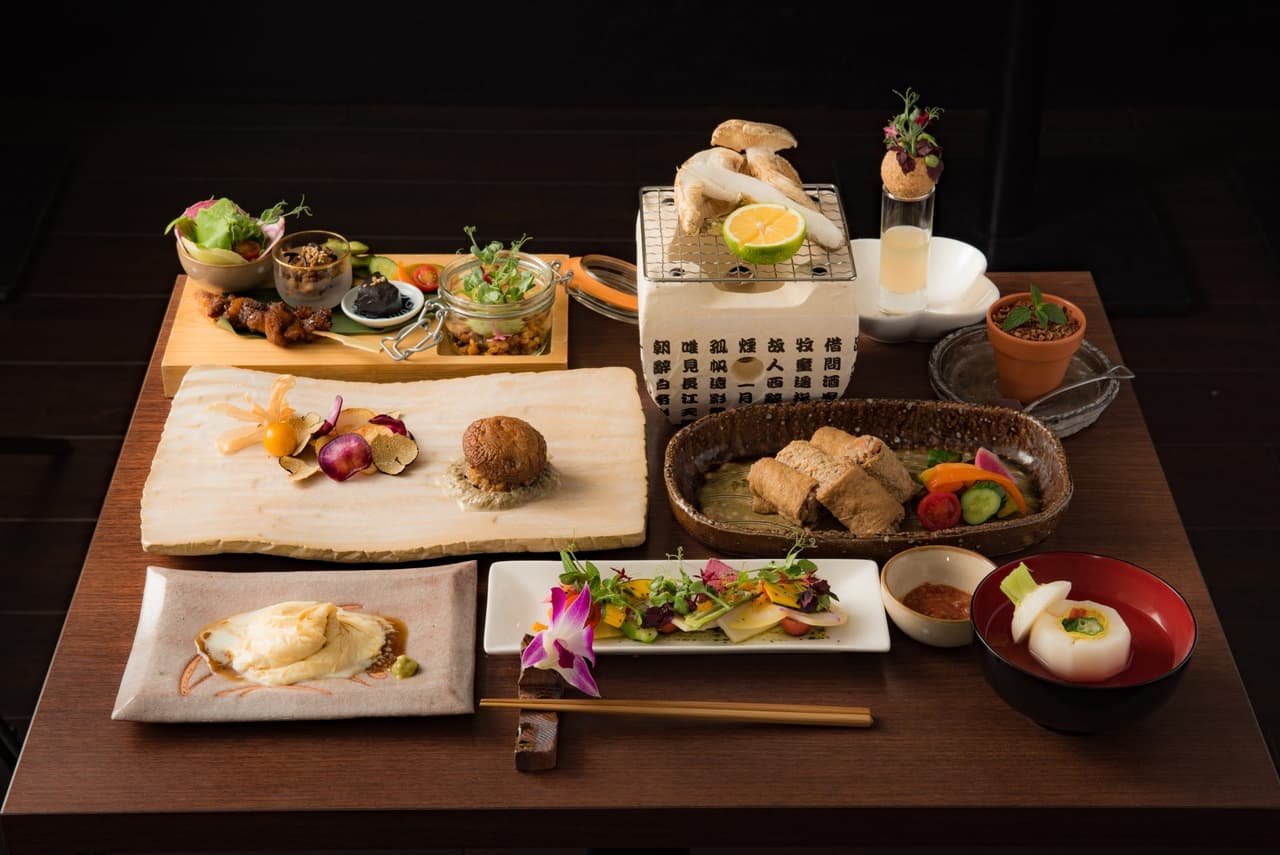
Once crowned the world's #1 vegan restaurant on HappyCow, this Jiyugaoka temple of 'new washoku' conjures convincing meat and fish dishes from nothing but vegetables — and welcomes vegan and Muslim diners alike.
- 素食
- 纯素
- 清真
- 无乳制品
- Date
- Anniversary
Sasaya Cafe
Tempeh cutlet, double curry, hummus sandwich and vegan karaage
An all-vegan cafe opened in 2013 in a renovated warehouse by a riverside park between Kinshicho and Tokyo Skytree, using organic, pesticide-free produce. The whole menu is plant-based, from curries and tempeh cutlets to soft-serve desserts.
- 纯素
- 素食
- Casual
- Solo
Sources
FAQ
- Is Japanese food generally dairy-free?
- Traditional washoku largely is — dairy mostly appears in Western-style dishes, bread and desserts. Sushi, sashimi, soba and simmered dishes are typically dairy-free, but always confirm sauces.
- What's the biggest hidden allergen?
- Sesame. It's used far more than tree nuts or peanuts — in dressings, dipping sauces and sweets — so treat it as a primary allergen and ask about every sauce.