
คู่มือผู้มีข้อจำกัดด้านอาหาร
กินในโตเกียวแบบปราศจากนม ระวังถั่ว และปลอดภัยจากภูมิแพ้
ข่าวดี
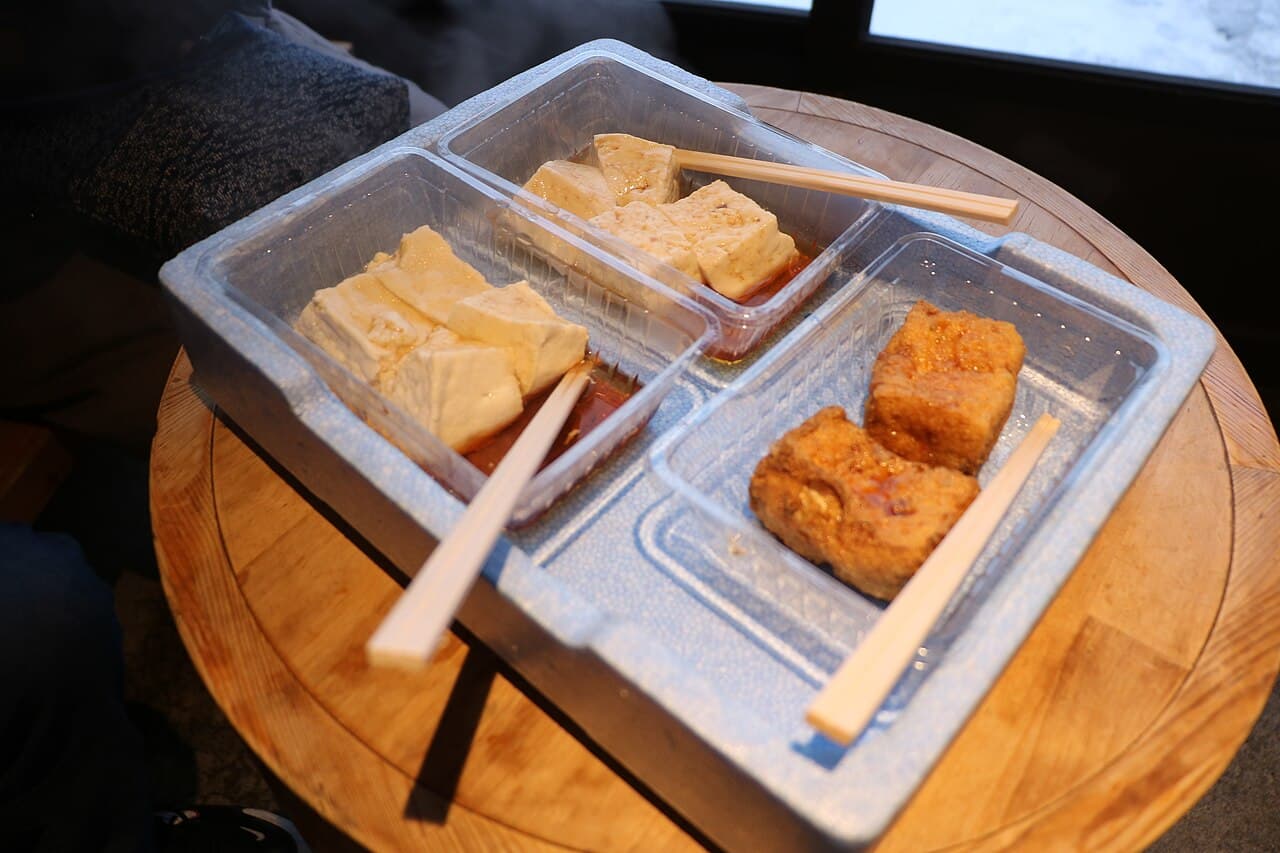
วาโชกุ ดั้งเดิมพึ่งพาข้าว ปลา ถั่วเหลือง ผัก และดาชิ — ดังนั้นในอาหารคลาสสิก นมจึงพบได้ยาก และ ถั่วเปลือกแข็ง/ถั่วลิสงก็ไม่ค่อยพบ ซูชิ ซาชิมิ ปลาย่าง โซบะ ผักตุ๋น และอาหารจานข้าวส่วนใหญ่ โดยพื้นฐานแล้วมีนมหรือถั่วน้อยมาก สิ่งนี้ทำให้ญี่ปุ่นในหลายแง่เป็นที่ที่กินแบบปราศจากนมได้ง่ายกว่าฝั่งตะวันตก
นมซ่อนอยู่ที่ไหน
นมปรากฏส่วนใหญ่ใน โยโชกุ (อาหารญี่ปุ่นที่ได้รับอิทธิพลตะวันตก) และร้านเบเกอรี: เนยบนข้าวโพดย่างหรือหอยเชลล์ ครีมโครเกต กราแต็ง และนมกับเนยในขนมปัง เพสตรี และของหวานหลายอย่าง มัตฉะ ลาเต้ หรือซุปครีมข้นคือตัวการที่ชัดเจน ส่วนโซบะหนึ่งชามนั้นไม่ใช่
ถั่วและงาซ่อนอยู่ที่ไหน
ถั่วเปลือกแข็งและถั่วลิสงเป็นแกนกลางน้อยกว่าในอาหารหลายชาติมาก แต่ *งา (โกมะ) อยู่ทุกหนแห่ง — ในน้ำสลัด ซอสจิ้มโกมาดาเระ โรยบนข้าวและผัก และในขนมหวานหลายชนิด ถั่วลิสงปรากฏในน้ำสลัดและของว่างบางอย่าง วอลนัทและแปะก๊วย (กินนัง*) โผล่มาในอาหารตามฤดูกาล หากคุณมีปฏิกิริยากับงา ที่นี่ให้ปฏิบัติต่อมันเหมือนสารก่อภูมิแพ้หลักและถามถึงซอสทุกชนิด
วิธีลดความเสี่ยง
- ระบุชื่อวัตถุดิบ ไม่ใช่แค่ฉลากรวม ๆ "อันนี้มีนม/เนยไหม?" หรือ "อันนี้มีงา/ถั่วไหม?" ดีกว่า "อันนี้เป็นมิตรกับคนแพ้อาหารไหม?"
- พกการ์ดวลีที่เขียนไว้ (ดูการ์ดวลีสำหรับผู้มีข้อจำกัดด้านอาหารของเรา) — ประโยคภาษาญี่ปุ่นที่ชัดเจนเชื่อถือได้กว่าภาษาอังกฤษที่พูดออกไปมาก
- หากแพ้รุนแรง ให้เลือกครัวเฉพาะทาง ครัววีแกนอย่าง Saido หรือ Sasaya Cafe ปราศจากนมโดยนิยาม ครัวปลอดกลูเตนที่ได้รับการรับรองอย่าง T's Kitchen ควบคุมวัตถุดิบอย่างเข้มงวด ส่วนเบเกอรี plant-based อย่าง Universal Bakes ทำทุกอย่างโดยไม่ใช้ไข่ นม หรือเนย
- พูดประโยคสำคัญ เมื่อเกิดปฏิกิริยารุนแรง: อะเรรุกิ กะ อาริมัส. โชเรียว เดโมะ คิเก็ง เดส. (ฉันมีอาการแพ้ แม้เพียงปริมาณน้อยก็อันตราย)
ไม่มีร้านใดนอกเหนือจากครัวที่ได้รับการรับรองว่าปลอดสารก่อภูมิแพ้จะรับประกันได้ว่าปราศจากการปนเปื้อนข้าม ดังนั้นสำหรับภูมิแพ้ระดับช็อกจากภูมิแพ้ (anaphylaxis) ให้วางแผนล่วงหน้าและยืนยันโดยตรง
ร้านที่เรายืนยันแล้ว
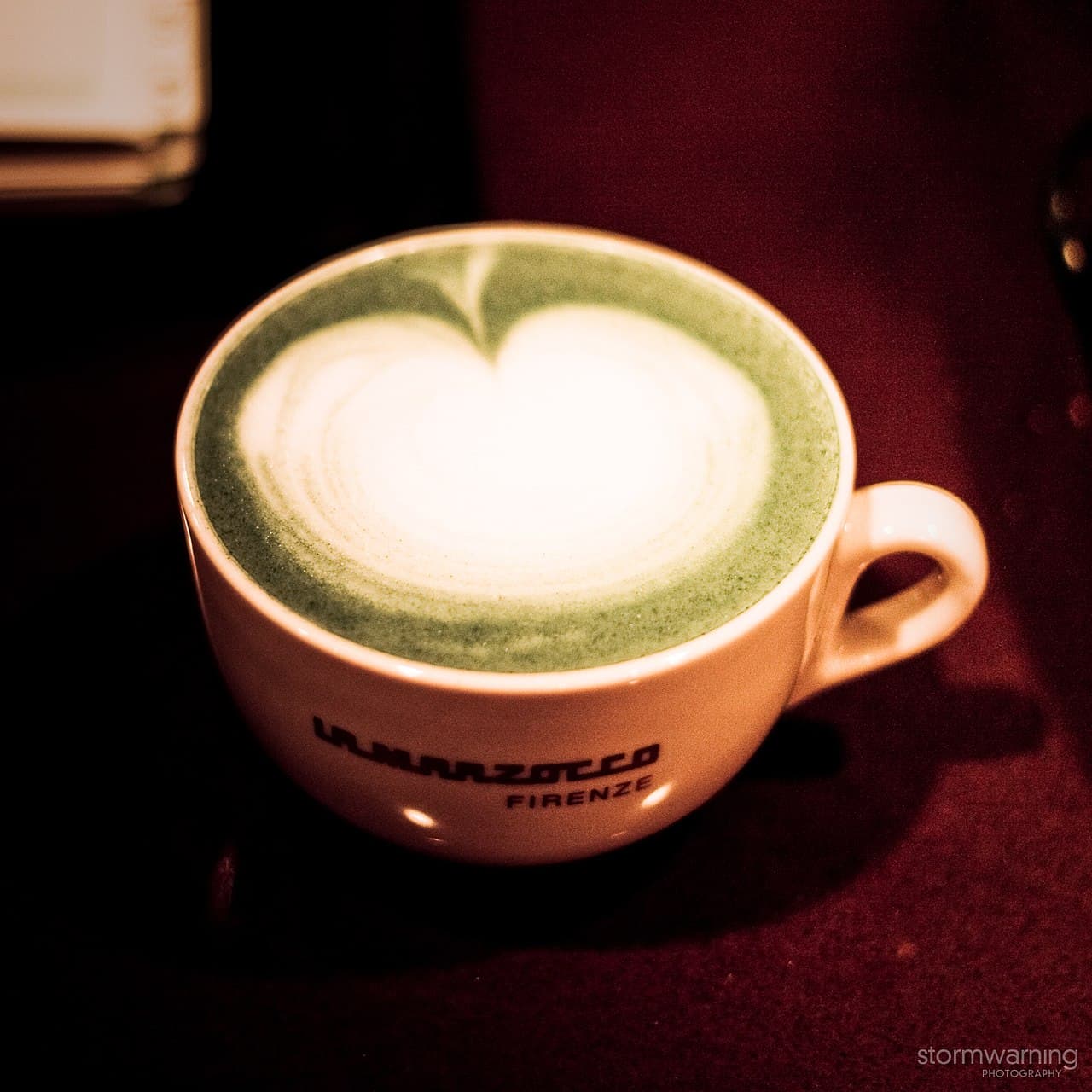
Universal Bakes and Cafe
ครัวซองต์ ซินนามอนโรล และทาร์ทีนผักตามฤดูกาลแบบ plant-based
เบเกอรีและคาเฟ่วีแกน 100% ที่เปิดปี 2020 ห่างจากสถานีเซตางายะไดตะนาทีเดียว ใกล้ชิโมกิตาซาวะ ใช้ผักและข้าวสาลีญี่ปุ่นจากท้องถิ่น ขนมปังและเพสตรีทั้งหมดทำโดยไม่ใช้ไข่ นม หรือเนย
- วีแกน
- มังสวิรัติ
- ปลอดนม
- สบายๆ
- มาคนเดียว
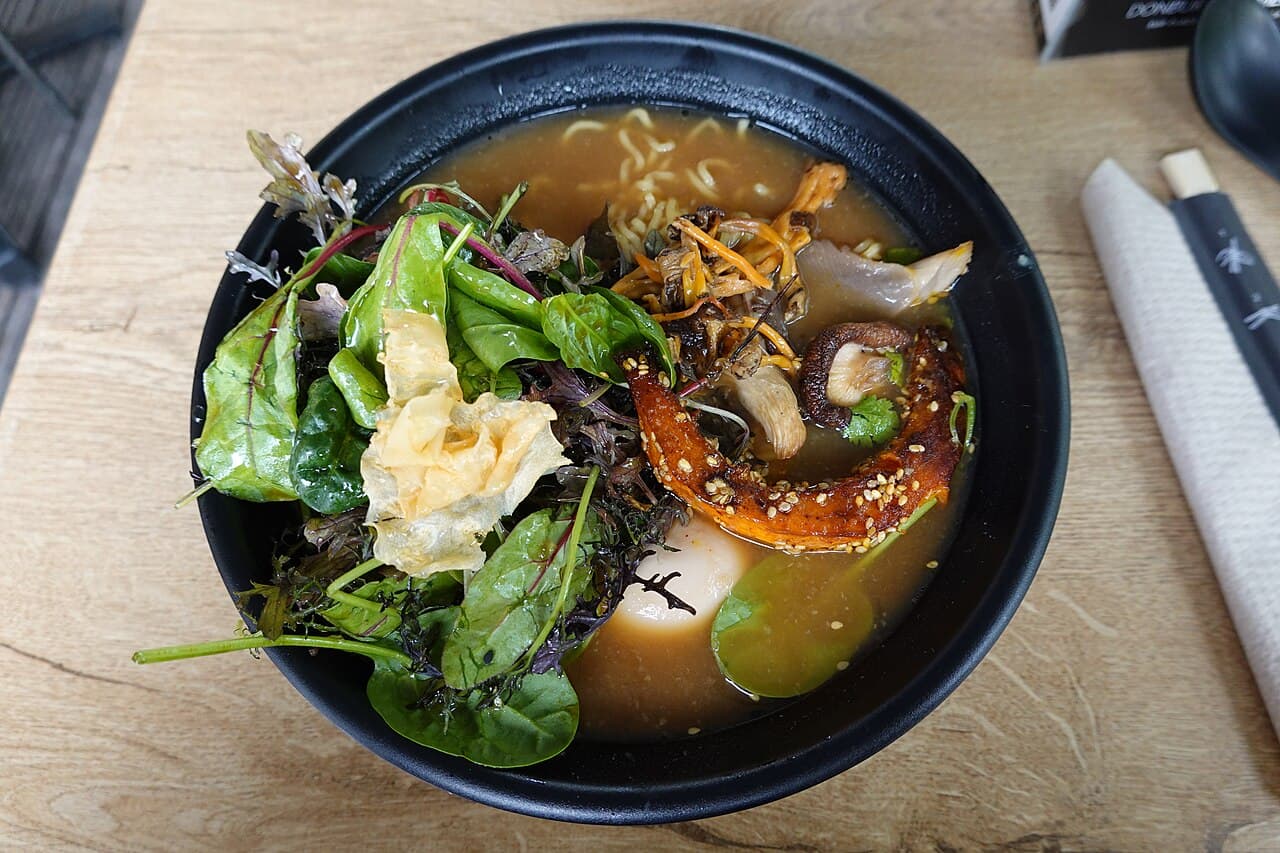
Gluten Free T's Kitchen
เกี๊ยวซ่าแป้งข้าวและราเมงข้าวโพดมิโซะเนย
ครัวปลอดกลูเตนรับรอง GIG แห่งแรกของเอเชีย ทุกจานตั้งแต่เกี๊ยวซ่าแป้งข้าวจนถึงราเมงมิโซะเนย ปลอดภัยสำหรับผู้แพ้กลูเตน
- ปลอดกลูเตน
- วีแกน
- มังสวิรัติ
- ปลอดนม
- ปลอดถั่ว
- สบายๆ
- มาคนเดียว
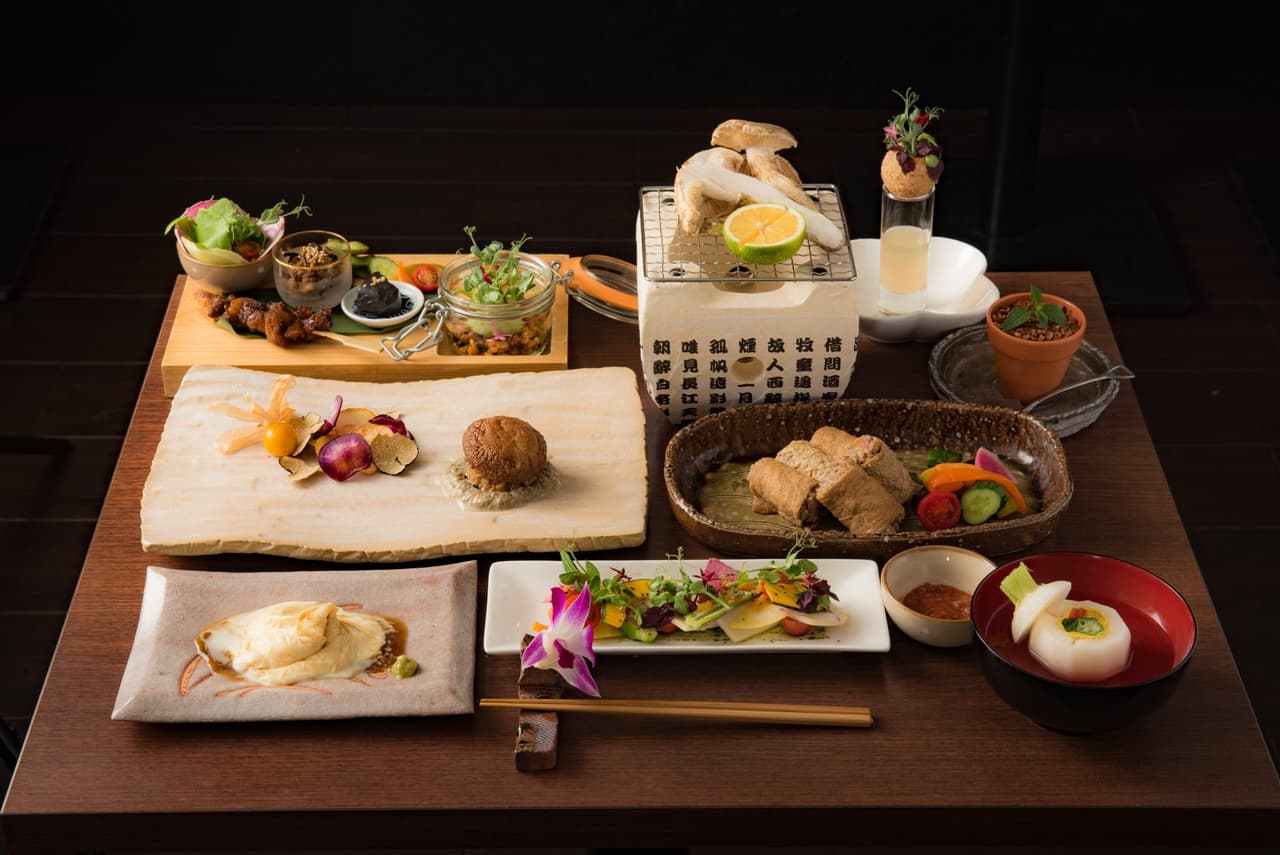
SAIDO
คอร์ส "เนื้อและปลา" ที่ทำจากผักล้วนๆ
เคยได้อันดับ 1 ร้านวีแกนของโลกบน HappyCow ร้าน "วาโชกุยุคใหม่" ในจิยูงาโอกะแห่งนี้รังสรรค์เมนูเนื้อและปลาเสมือนจริงจากผักล้วน รองรับทั้งวีแกนและมุสลิม
- มังสวิรัติ
- วีแกน
- ฮาลาล
- ปลอดนม
- เดท
- วันครบรอบ
Sasaya Cafe
เทมเป้คัตสึ ดับเบิลแกงกะหรี่ แซนด์วิชฮัมมุส และคาราอาเกะวีแกน
คาเฟ่วีแกนล้วนเปิดปี 2013 ในโกดังที่ปรับปรุงใหม่ริมสวนริมแม่น้ำ ระหว่างคินชิโจและโตเกียวสกายทรี ใช้ผักออร์แกนิกปลอดสารพิษ ทั้งเมนูเป็น plant-based ตั้งแต่แกง เทมเป้คัตสึ จนถึงของหวานซอฟต์เสิร์ฟ
- วีแกน
- มังสวิรัติ
- สบายๆ
- มาคนเดียว
Sources
คำถามที่พบบ่อย
- อาหารญี่ปุ่นโดยทั่วไปปราศจากนมไหม?
- วาโชกุดั้งเดิมส่วนใหญ่เป็นเช่นนั้น — นมส่วนใหญ่ปรากฏในอาหารสไตล์ตะวันตก ขนมปัง และของหวาน ซูชิ ซาชิมิ โซบะ และอาหารตุ๋นมักปราศจากนม แต่ให้ยืนยันเรื่องซอสเสมอ
- สารก่อภูมิแพ้ที่ซ่อนอยู่ที่ใหญ่ที่สุดคืออะไร?
- งา มันถูกใช้มากกว่าถั่วเปลือกแข็งหรือถั่วลิสงมาก — ในน้ำสลัด ซอสจิ้ม และของหวาน — ดังนั้นให้ถือว่าเป็นสารก่อภูมิแพ้หลักและถามถึงซอสทุกชนิด