
Area guide
Halal Restaurants in Kyoto: 3 Certified Spots (Ramen, Wagyu Kaiseki & Wagyu Ramen)
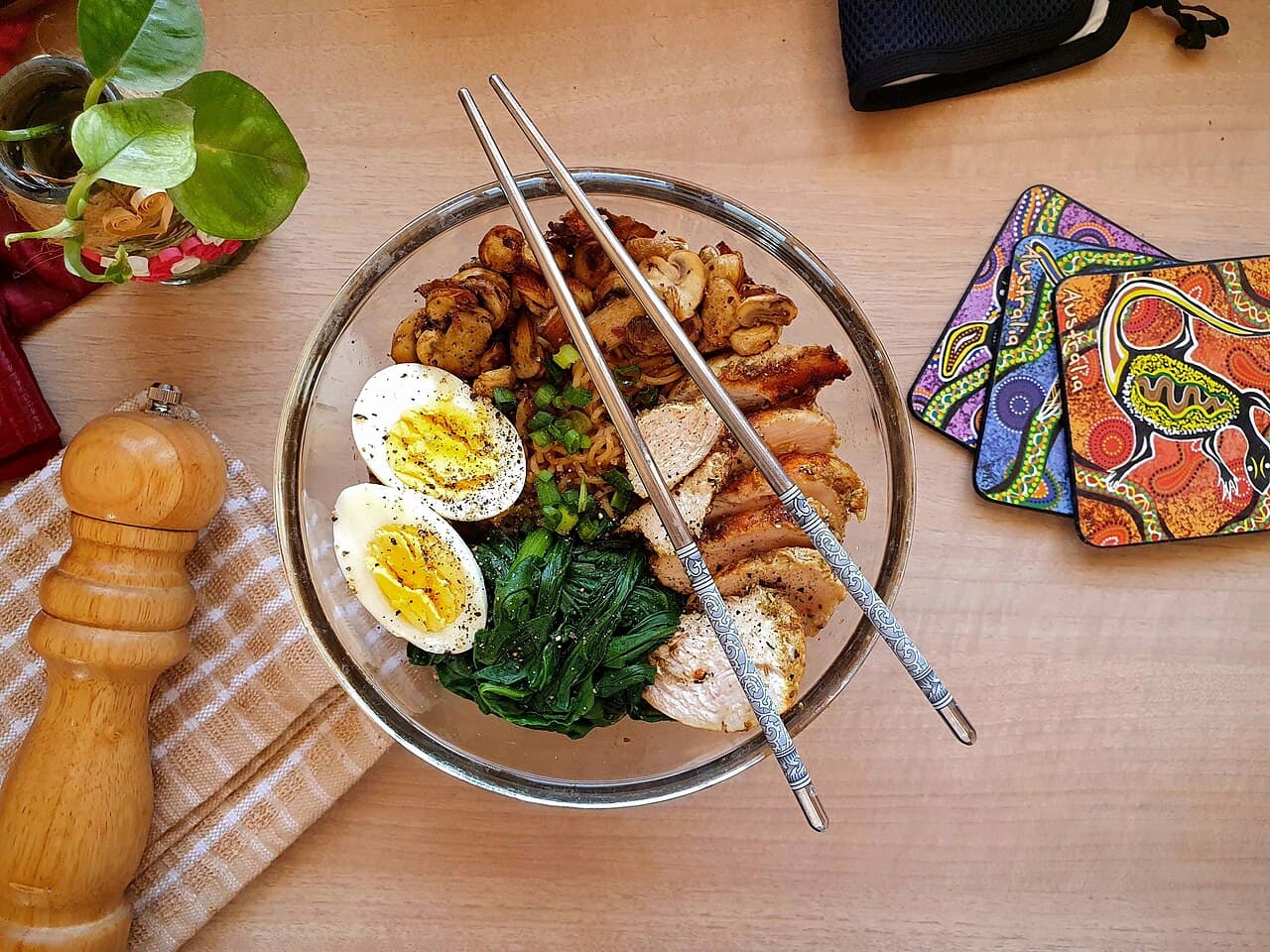
© Amar Nath Adak / CC BY-SA 4.0, via Wikimedia Commons · CC BY-SA 4.0
Certified vs Muslim-friendly: the distinction that matters
As with every city we cover, we separate halal-certified (audited by a named halal body) from Muslim-friendly / pork-and-alcohol-free (the kitchen's own claim, not third-party verified). Kyoto's own certifying body is the Kyoto Council for Sharia and Halal Affairs; some Kyoto restaurants also carry certification from Malaysian or Japan-wide halal organisations. Neither is automatically "better," but the difference changes what you should ask about — a certified kitchen has audited ingredients and cross-contamination controls; a friendly one has removed pork and alcohol on its own judgement, so confirm mirin, cooking sake and shared fryers yourself. Background on the traps (mirin, soy-sauce alcohol, shared oil) is in our halal Japan travel guide and the pillar halal food Tokyo guide.
Unlike Tokyo, Kyoto does not have its own mosque — the nearest are in Kobe and Osaka, or Tokyo Camii further away — so the on-site prayer rooms at the restaurants below matter more than usual.
Certified halal ramen: Ayam-Ya (Karasuma)
Ayam-Ya Karasuma is a halal-certified chicken-ramen counter a short walk from Karasuma Station, with an English menu and a prayer room. It moved from its original location near Kyoto Station to the Karasuma/Kawaramachi area, so make sure any map you're using shows the current address, not the old one. It's effectively a lunch-only shop and closes midweek, so check hours before visiting.
Certified wagyu kaiseki: Yoshiya (Arashiyama)
Yoshiya in Arashiyama, a 10-minute walk from JR Saga-Arashiyama Station, has held halal certification from the Kyoto Council for Sharia and Halal Affairs since 2016 — one of the longest-standing certifications in the city. Alongside its regular menu it serves halal, vegan and gluten-free Japanese dishes, including halal wagyu (a Kobe-beef shabu-shabu kaiseki set runs around ¥15,000). It has a Japanese-style prayer room and wudu facility, and its "Oku no Niwa" dining space takes walk-ins without reservation.
Certified wagyu ramen: Shinjuku-tei (Gion)
Halal Wagyu Ramen Shinjuku-tei, Gion branch is five minutes from Gion-Shijo Station — the Kansai outpost of a Tokyo-born halal-certified wagyu ramen chain, using no pork or alcohol in the broth or tare. It has a dedicated prayer room with an ablution area and multilingual staff.
Practical notes
Japan has no single national halal standard, and small details — a relocated address, a since-lapsed certification — go stale on aggregator sites faster than you'd expect (we found exactly this with an older Ayam-Ya listing while researching this guide). When in doubt, check the restaurant's own website or call ahead, the same rule our Tokyo halal guide recommends citywide. For deeper cuts on specific dishes, see is ramen halal and is wagyu halal.
If you're travelling with people on different diets, see our companion guides to vegan restaurants in Kyoto and gluten-free restaurants in Kyoto.
ร้านที่เรายืนยันแล้ว
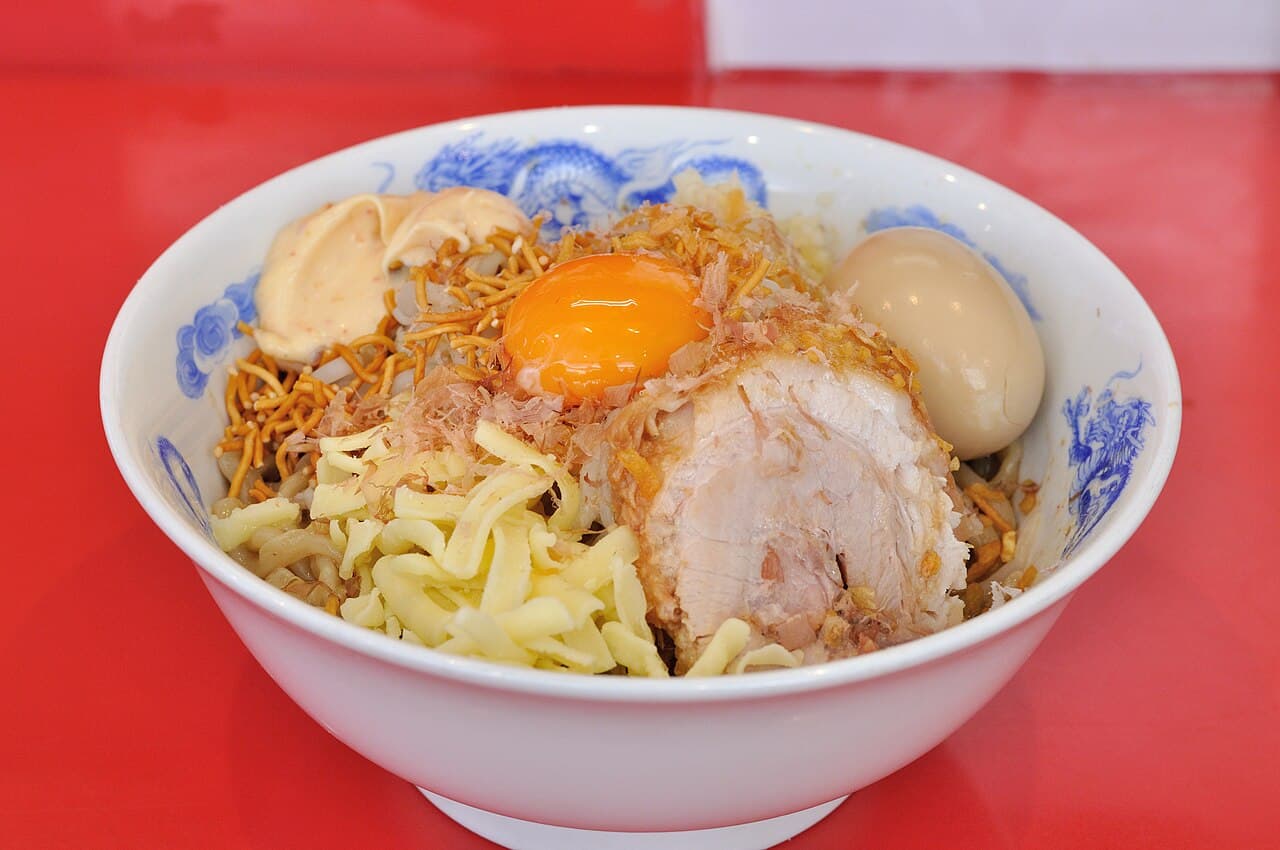
Ayam-Ya Karasuma
ราเมงไก่โชยุเผ็ดกับวัตถุดิบที่ตรวจสอบฮาลาล
เคาน์เตอร์ราเมงไก่ฮาลาลใกล้คาราสุมะ/ชิโจ จากเครือ Ayam-Ya รับรองฮาลาลจากบุคคลที่สาม (โดย Malaysia Halal Corporation) ปลอดหมูและแอลกอฮอล์ทั้งหมด พร้อมที่เก็บและภาชนะฮาลาลแยก เมนูภาษาอังกฤษ และห้องละหมาด เป็นร้านเปิดเฉพาะมื้อกลางวันและปิดกลางสัปดาห์ ควรเช็กเวลาก่อนไป
- ฮาลาล
- มาคนเดียว
- สบายๆ
Sources
คำถามที่พบบ่อย
- Are there halal-certified restaurants in Kyoto?
- Yes. We've verified three currently operating: Ayam-Ya Karasuma (certified chicken ramen), Yoshiya in Arashiyama (certified since 2016 by the Kyoto Council for Sharia and Halal Affairs, wagyu kaiseki), and the Gion branch of Shinjuku-tei (certified wagyu ramen).
- Does Kyoto have a mosque?
- No — Kyoto does not have its own mosque; the closest major ones are in Kobe and Osaka, or Tokyo Camii further away. That makes the prayer rooms inside certified restaurants like Yoshiya and Shinjuku-tei more useful day-to-day than in cities with a central mosque.
- What's the difference between halal-certified and Muslim-friendly in Kyoto?
- Certified means a named halal body — here, most often the Kyoto Council for Sharia and Halal Affairs, or a Malaysian/Japan-wide certifier — has audited the ingredients and kitchen practices. Muslim-friendly means the restaurant itself has removed pork and alcohol but hasn't been third-party audited, so it's worth confirming seasonings (mirin, cooking sake) yourself.