Area guide

Halal Restaurants in Sapporo: 4 Verified Places to Eat Well, No Guesswork

Halal Restaurants in Sapporo: 4 Verified Places to Eat Well, No Guesswork

© Guilhem Vellut / Wikimedia Commons · CC BY 2.0

Is there good halal food in Sapporo? Yes — but the circle is still small

Sapporo isn't Tokyo or Osaka when it comes to halal density, but it's no longer a desert either. A handful of restaurants have built real infrastructure for Muslim travelers — certified meat, prayer rooms, alcohol-free kitchens — and they're spread across ramen, Turkish, and Indian food rather than clustered in one neighborhood. Below are four currently-operating places I could verify directly through official sites or reputable halal directories, each with a clear read on certification status so you're not guessing at the counter.

Halal Wagyu Ramen Shinjuku-tei (Chuo-ku)

This is Sapporo's most fully-built-out halal restaurant. The official site states its ingredients are halal-certified, with no pork or alcohol anywhere in the kitchen, and — unusually for a ramen shop — there's a dedicated prayer room on-site plus free Wi-Fi and a multilingual, photo-based menu. Bowls range from ¥1,500 for a small chicken paitan ramen up to ¥4,500 for the wagyu yakiniku or wagyu miso ramen (all prices plus tax), with the Sapporo-store-exclusive premium crab ramen topping out above ¥6,000; a side of A5 wagyu beef sushi is a more modest ¥1,000. Open 11:00–22:00 (may close earlier if sold out). It's inside Noren Yokocho at Minami 3-jo Higashi 1-chome, Chuo-ku, about a 5–6 minute walk (roughly 436m) from Hosui-Susukino Station on the Tozai Line.

Fukunoki (Chuo-ku, near Nishi 11-chome Station)

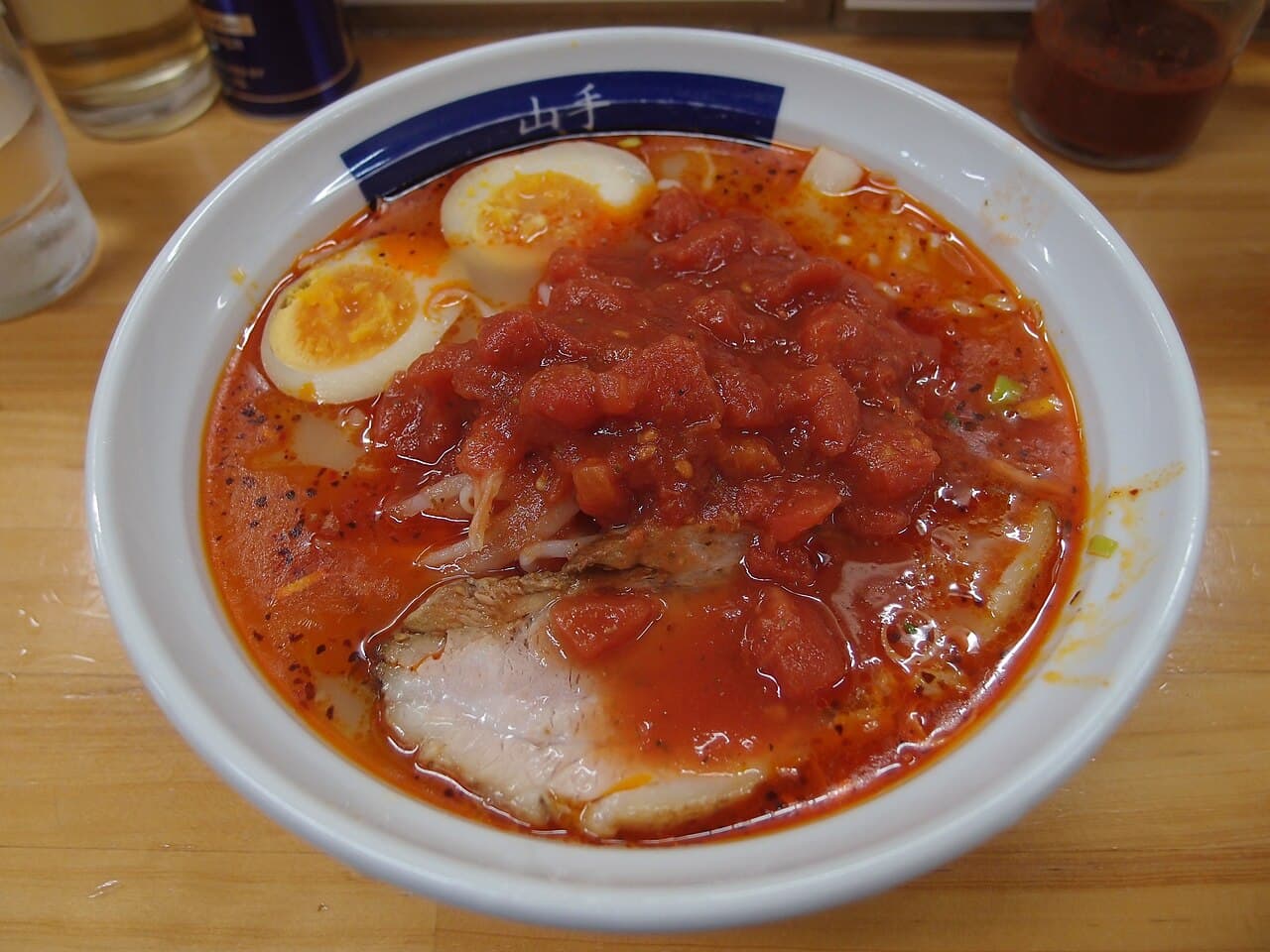
A smaller, cheaper, and quietly excellent option: Fukunoki's signature is a tomato-based ramen broth (not the usual shoyu/miso/shio trio), topped with your choice of halal-sourced chicken — sausage, wings, homemade ham, or crumbled chicken. One honest caveat: Fukunoki's own website states plainly that the restaurant does not hold formal halal certification — it describes its policy as "Muslim Friendly," using halal-sourced chicken and cooking no pork, but stopping short of a certified label. If a certified kitchen is a hard requirement, this one doesn't clear that bar; if halal-sourced meat plus a pork-free, alcohol-free menu is enough, it's a solid, cheap option. Prices are gentle by Japanese ramen standards: meat-miso-tomato noodles from ¥850, a vegetarian tomato noodle at ¥890, and an all-meat bowl at ¥1,250. English menus with photos are available. Credit cards and electronic money aren't accepted, though QR code payments (like PayPay) are — worth carrying some cash as backup regardless. It's open Tuesday–Sunday (closed Mondays and the third Tuesday of each month), and about a 7-minute walk from Nishi 11-chome Station on the Tozai Line.

Turkish Café & Restaurant LALE (Chuo-ku)

Sapporo's dedicated Turkish restaurant, and its official site states plainly that all meat used is halal-certified, cooked according to Islamic dietary guidelines. Expect kebab, pide, and other Anatolian staples rather than Japanese food — a genuinely different flavor profile if you've been eating ramen and curry all week. Lunch runs 11:30–14:00 and dinner 17:30–22:30 (last order 22:00); closed Sundays. It sits right by the Sapporo Streetcar's Nishisen 6-jo stop, a few minutes from Nakajima Park.

Dawatt Cafe Restaurant (Kita-ku)

An Indian restaurant near Kita 18-jo Station (Namboku Line, about a 2-minute walk) with a Muslim owner, halal meat sourcing, pork-free menu, and dedicated halal tableware — vegetarian options are available too, and no alcohol is served. The Halal Gourmet Japan directory lists it with a halal-certified badge, and independent listings agree it's a fully halal Indian kitchen; that said, none of the sources checked name the specific third-party certifying body, so if that detail matters to you, it's worth asking directly when you arrive. Open Sun–Thu 12:00–20:00, Fri 13:00–20:00, closed Saturdays.

Traps to watch for in Japanese cooking generally

Even at halal-friendly restaurants, a few Japanese pantry staples catch travelers off guard elsewhere in the city: mirin and cooking sake are common in glazes and simmered dishes and contain alcohol even after cooking reduces it; many broths and "vegetable" dashi actually start from bonito flakes or niboshi (dried sardines), which isn't a pork issue but does mean a dish billed as vegetarian may not be what it seems if fish stock matters to you; and ordinary soy sauce contains wheat, relevant if you're also avoiding gluten. None of this applies to the four venues above, which are built around halal or Muslim-friendly menus from the ground up — the warning is for anywhere else in Sapporo you might wander into.

Practical tips

A simple, useful phrase to know is "butaniku to arukooru nashi de onegaishimasu" (豚肉とアルコールなしでお願いします) — "without pork or alcohol, please" — though at the four restaurants above, halal or Muslim-friendly awareness is already built in rather than something you need to negotiate. Cash is worth carrying regardless of venue; Fukunoki in particular doesn't take cards, though it does accept QR-code payments. Sapporo's downtown core (Odori, Susukino, Sapporo Station) is compact enough that Shinjuku-tei, Fukunoki, and LALE are all reachable within a single afternoon loop by subway or streetcar, with Dawatt a short subway ride further north.

Sources

  1. Halal Wagyu Ramen Shinjuku-tei — Sapporo Store (official site)
  2. HALAL WAGYU RAMEN SHINJUKU-TEI Sapporo — Hosui Susukino/Ramen — Tabelog
  3. Visit Fukunoki In Sapporo For Muslim-Friendly Ramen! — MATCHA
  4. 福の樹 (Fukunoki) — official site (Muslim Friendly / halal certification policy)
  5. 濃厚な味わいヌードル 福の樹 — Chuo-yakusho-mae/Ramen — Tabelog
  6. 🕌 当店はハラル対応レストランです — LALE SAPPORO (official site)
  7. ダワット カフェ レストラン ハラール 札幌 — Halal Gourmet Japan

FAQ

Is halal-certified food available in Sapporo, or is it mostly just 'Muslim-friendly'?
Both exist. Halal Wagyu Ramen Shinjuku-tei and LALE Sapporo both state plainly on their official sites that their meat/ingredients are halal-certified, and Dawatt Cafe is listed with a halal-certified badge on the Halal Gourmet Japan directory. Fukunoki is the outlier: its own official website says it does not hold formal halal certification, describing itself instead as 'Muslim Friendly' — it uses halal-sourced chicken and cooks no pork, but stops short of a certified label. Worth knowing before you sit down if certification specifically (not just halal-sourced, pork-free cooking) is what you're after.
Is Sapporo's famous Genghis Khan (lamb BBQ) halal?
Not as a general rule — most Genghis Khan restaurants in Sapporo serve regular (non-halal) lamb and often pair it with alcohol-heavy dining culture. This article doesn't cover a verified halal Genghis Khan venue; if that's specifically what you're after, confirm certification directly with any restaurant claiming it before you go, rather than assuming.
Are there prayer facilities near these restaurants?
Halal Wagyu Ramen Shinjuku-tei has a prayer room on-site, according to its official website — the only one of the four venues confirmed to have this. For the others, plan around nearby public prayer space or your accommodation.
Misaki Honda
  • 12y food writing
  • Inbound dining specialist
  • Sommelier

Tokyo food editor covering inbound dining — 300+ meals a year, chosen by the moment and the menu.