
Dairy-free in Tokyo: traditional Japanese food is on your side
The short answer
If you avoid dairy — for a milk allergy, lactose intolerance, or as part of a wider plant-based diet — Tokyo is one of the easier cities in the world to eat in. Traditional Japanese cuisine (washoku) developed almost entirely without cow's milk, so sushi, sashimi, rice bowls, grilled fish, soba, udon and most simmered dishes are naturally dairy-free. The dairy you do meet is in Western-influenced and modern dishes — and it is usually easy to spot.
This is part of our coeliac-and-allergen coverage; it sits alongside the gluten-free Tokyo guide and the pescatarian Tokyo guide, and overlaps heavily with plant-based eating — if you also avoid all animal products, start at can vegans eat in Japan?.
Naturally dairy-free things to eat
You can build entire days of eating without thinking about it:
- Sushi and sashimi, kaisendon (seafood rice bowls), donburi (rice bowls), onigiri.
- Soba and udon — wheat or buckwheat noodles in a dashi broth, no dairy (check egg/tempura toppings only if relevant).
- Tempura, yakitori, grilled fish, gyoza, most izakaya plates.
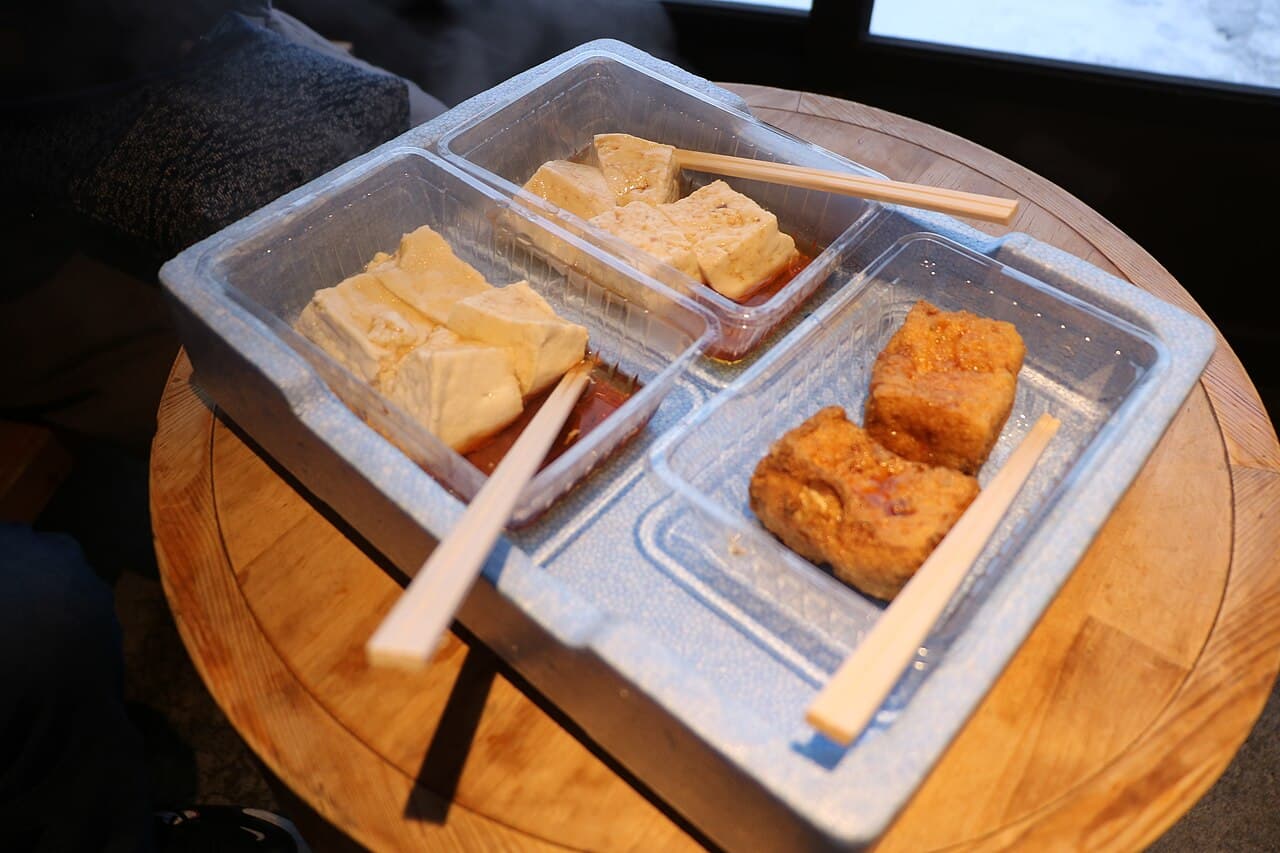
- Miso soup, tofu dishes, simmered vegetables — though watch the dashi if you are also vegetarian.
Butter, milk and cheese simply are not part of the classic kitchen, so a traditional meal rarely needs special requests.
Where dairy actually hides
The risk shifts to anything Western-style or modern:
- Cream-based curries and stews, gratins, doria (rice gratin) and pasta.
- Korokke (croquettes) and creamy fillings; some cream-style ramen and tantanmen.
- Western-style and 'fluffy' breads, pastries and pancakes, plus most cakes and many cafe desserts.
- Milk and milk drinks, soft-serve and ice cream (very popular, so widely offered).
- Butter finishing a steak, corn, scallops or teppanyaki — easy to ask the cook to leave off.
- Occasionally milk powder or whey in processed snacks and sauces; read labels on convenience-store items.
Plant-milk is now everywhere
For coffee and cafes, Tokyo has caught up: soy milk (tōnyū) is standard, and oat and almond milk are common at specialty coffee shops and chains. Soy milk has long been part of the Japanese diet, so it is never an odd request. Convenience stores carry plant milks and a growing range of dairy-free snacks.
Say it in Japanese
- Nyūseihin ga taberaremasen — I can't eat dairy products.
- Gyūnyū, batā, chīzu nashi de onegaishimasu — without milk, butter or cheese, please.
- Kore wa nyūseihin ga haitte imasu ka? — does this contain dairy?
For a printable set you can show staff, see our Japanese dietary phrases guide; for a serious milk allergy (not just a preference), also read allergy-aware dining in Tokyo.
The bottom line
Dairy-free in Tokyo is genuinely easy: eat traditional Japanese food and you avoid dairy by default. Save your questions for Western-style dishes, baked goods and desserts — and enjoy that soy milk is a normal, everyday choice here.
常见问题
- Is sushi dairy-free (and lactose-free)?
- Yes. Plain sushi and sashimi contain no milk, butter or cheese, so they are dairy-free and carry no lactose — which is why they suit a milk allergy, lactose intolerance or a plant-based diet alike.
- Do Japanese people eat dairy?
- Traditional Japanese cuisine (washoku) developed almost entirely without cow's milk. The dairy you do meet is in Western-influenced and modern dishes — cream curries and stews, gratins, doria, pastries and desserts — and it is usually easy to spot.
- Which Japanese foods are naturally dairy-free?
- Sushi and sashimi, kaisendon, donburi and onigiri; soba and udon in dashi broth; tempura, yakitori, grilled fish, gyoza and most izakaya plates; miso soup, tofu dishes and simmered vegetables.
- Can you get plant milk in Tokyo cafes?
- Yes. Soy milk (tonyu) is standard, and oat and almond milk are common at specialty coffee shops and chains. Convenience stores also carry plant milks and a growing range of dairy-free snacks.