- สบายๆ
- มาคนเดียว
- เดท
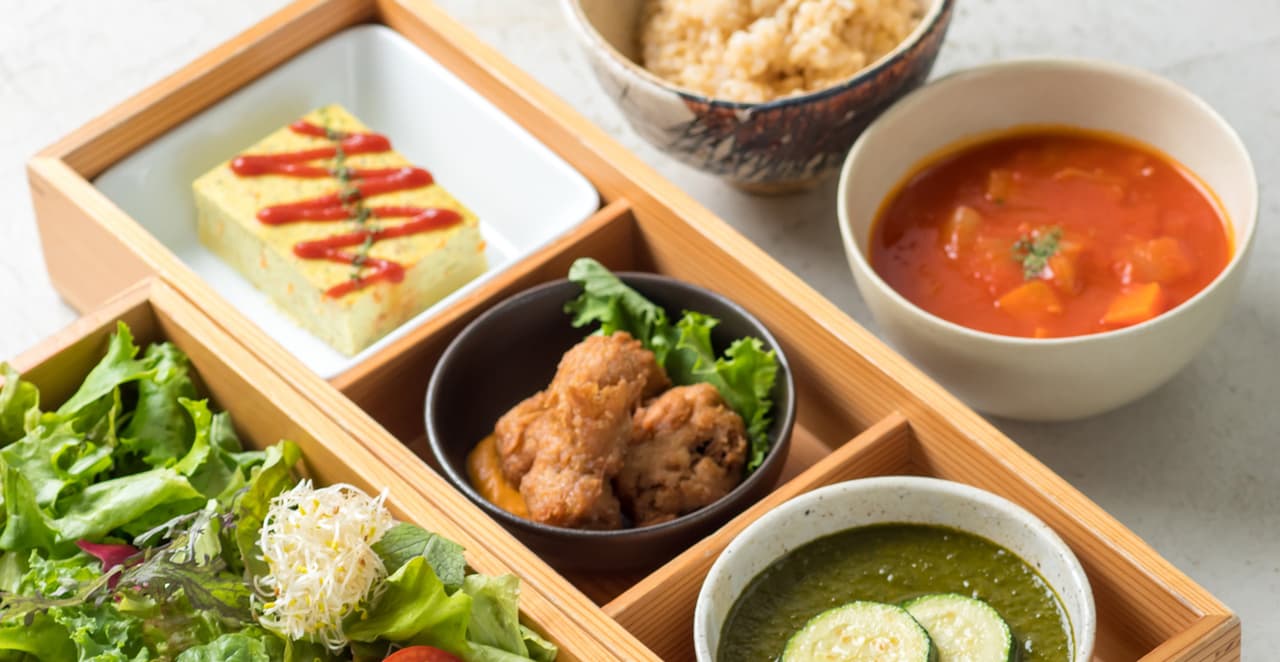
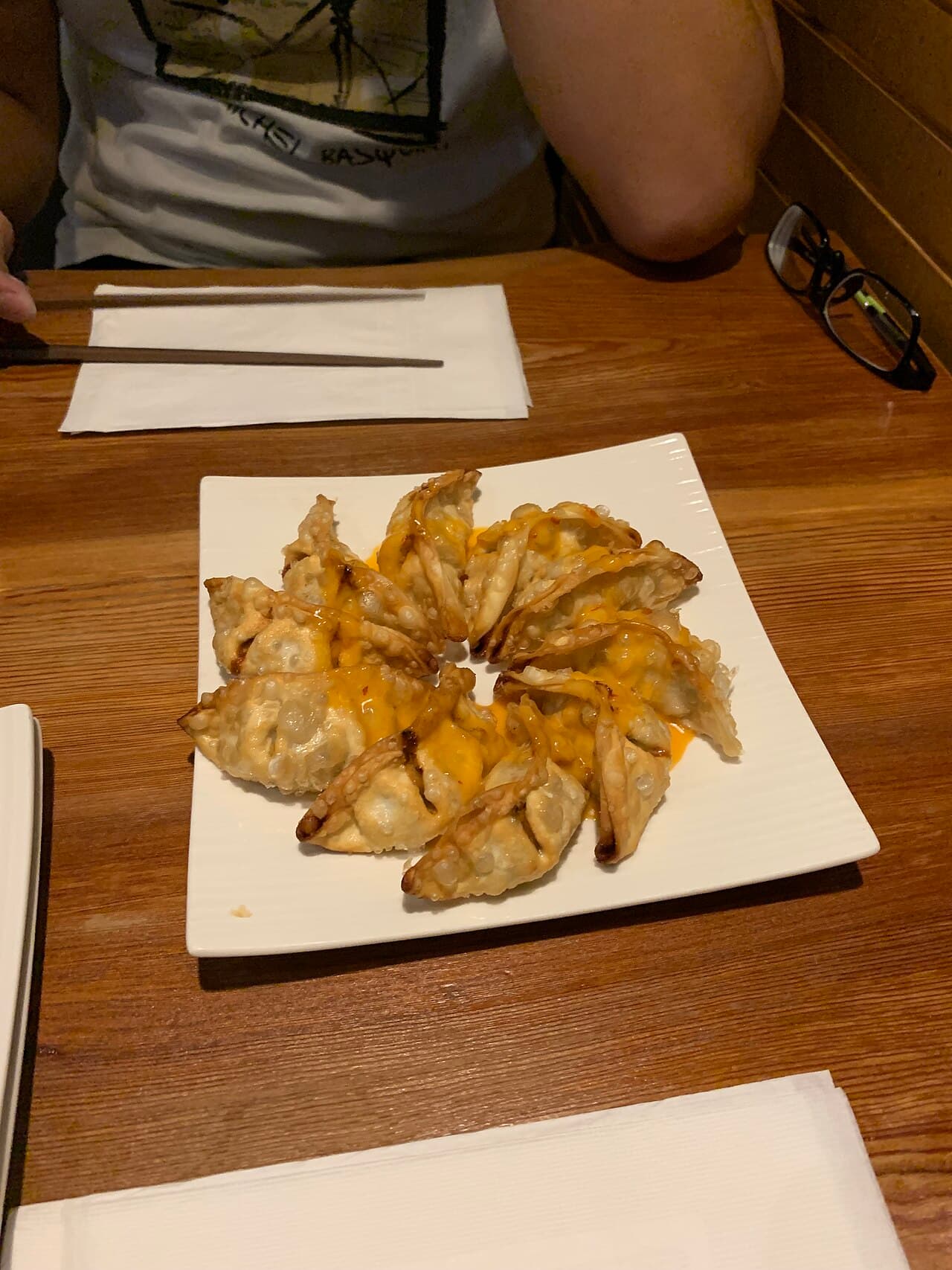
ร้านอาหารไต้หวันเล็กๆ เป็นกันเองที่ขอบไชน่าทาวน์โยโกฮามะ เสิร์ฟเมนูประจำวันพร้อมตัวเลือก plant-based ของแท้ — มาโพเต้าหู้มังสวิรัติ เกี๊ยวไร้เนื้อ และจานผัก — และพูดภาษาอังกฤษได้ ซึ่งหายากในย่านนี้ คอร์สมังสวิรัติเต็มรูปแบบต้องจอง แต่จานมังสวิรัติแบบ a-la-carte ไม่ต้อง เช่นเดียวกับครัวจีนทุกแห่ง หากเป็นวีแกนเคร่งครัดควรยืนยันว่าเมนูใช้น้ำสต๊อกไก่ ซอสหอยนางรม หรือไข่หรือไม่
กินที่นี่ได้ไหม?
ข้อจำกัดด้านอาหารที่ทีมงานยืนยันด้วยตัวเอง· เมนูภาษาอังกฤษ / รองรับ
กรุณาแสดงให้พนักงานดู
มังสวิรัติ
私はベジタリアンで、肉と魚は食べません。
Watashi wa bejitarian de, niku to sakana wa tabemasen.
I'm vegetarian — I don't eat meat or fish.
- この料理に肉や魚のだしは入っていますか?Does this dish contain meat or fish stock?
จอง & ตรวจสอบ

ข้อมูลร้าน
- สถานีใกล้สุด
- สถานีอิชิกาวะโจ
- ประเภทอาหาร
- อาหารไต้หวัน (มีตัวเลือกมังสวิรัติ / วีแกน)
- ระดับราคา
- ¥¥
- เมนูภาษาอังกฤษ / รองรับ
- ✓
- เมนูเด็ด
- มาโพเต้าหู้มังสวิรัติและเกี๊ยวไร้เนื้อ ควบคู่กับเมนูไต้หวัน
Banwa Rou เป็นร้านอาหารไต้หวันขนาดเล็กสไตล์บ้านๆ ตั้งอยู่ด้านหลังศาลเจ้ากวนอู (Kanteibyo) ในไชน่าทาวน์โยโกฮาม่า บริหารโดยคู่สามีภรรยาชาวไต้หวัน เสิร์ฟอาหารสไตล์โฮมเมดที่ปกติแล้วย่านนี้มักไม่มีเมนูภาษาอังกฤษ แต่ร้านนี้มี ลู่โร่วฟ่าน (ข้าวหน้าหมูตุ๋นซีอิ๊ว) ปรุงรสแบบไต้หวันตอนเหนือสไตล์ไทเปที่ออกรสเค็มนำ เสิร์ฟคู่กับเกี๊ยวน้ำและไดคอนโมจิ (เค้กหัวไชเท้า)
ร้านมีที่นั่งราว 28 ที่นั่ง กระจายอยู่ 7 โต๊ะ และมีห้องส่วนตัวสำหรับกลุ่มใหญ่ บรรยากาศออกแนวเรียบง่ายเป็นกันเอง เจ้าของร้านมักจะอธิบายเมนูให้ฟังมากกว่าจะพยายามเชียร์ขาย ฝั่งอาหารมังสวิรัติของร้านก็ไม่ใช่แค่มีไว้ให้ครบ — มีเต้าหู้หมาผอสูตรมังสวิรัติที่ได้รับคำชมจริงจัง เกี๊ยวไส้ผักแทนไส้หมู และเมนูผักหมุนเวียนอีกสองสามจานที่ให้รสชาติแบบไต้หวันแท้ๆ ไม่ใช่แค่เอาผักมาแทนเนื้อแบบสไตล์ตะวันตก ไดคอนโมจิ ที่ข้างนอกกรอบข้างในนุ่ม เป็นเมนูที่ควรสั่งถ้ามีวันนั้น แต่ทางร้านจะงดทำในช่วงที่ร้อนที่สุดของปี ประมาณเดือนพฤษภาคมถึงกันยายน เพราะเก็บไว้ไม่ทนในอากาศร้อนของหน้าร้อน
ข้อมูลที่ควรรู้ก่อนไป: ร้านรับชำระเงินสดเท่านั้น — ไม่รับบัตร ไม่รับ e-money ไม่รับ QR pay — ควรเตรียมเงินสดมาก่อนนั่งโต๊ะ เมนูมังสวิรัติแบบสั่งเป็นจานสามารถสั่งได้เลยแบบไม่ต้องจอง แต่ถ้าต้องการคอร์สมังสวิรัติเต็มรูปแบบต้องจองล่วงหน้า (จองผ่านหน้าเว็บ Tabelog ภาษาอังกฤษได้) และเนื่องจากที่นี่เป็นร้านอาหารจีน-ไต้หวัน ไม่ใช่ร้านวีแกนโดยเฉพาะ หากทานอาหารวีแกนแบบเคร่งครัด ควรสอบถามพนักงานโดยตรง เพราะบางจานที่ดูเหมือนไม่มีเนื้อสัตว์อาจมีน้ำสต็อกไก่ ซอสหอยนางรม หรือไข่ผสมอยู่ อย่างไรก็ตาม สำหรับคนกินมังสวิรัติทั่วไป ร้านนี้ยังถือเป็นร้านที่ค่อนข้างไว้ใจได้ร้านหนึ่งในไชน่าทาวน์ เดินจากสถานีอิชิกาวะโจประมาณ 5 นาที
ตรวจสอบล่าสุด ก.ค. 2569
เวลาทำการและข้อมูลอาจเปลี่ยนแปลงได้ — โปรดยืนยันก่อนไป