
คู่มือเมือง
กินโอซาก้าครั้งแรก: คุยดาโอเระ เมืองที่กินจนล้ม
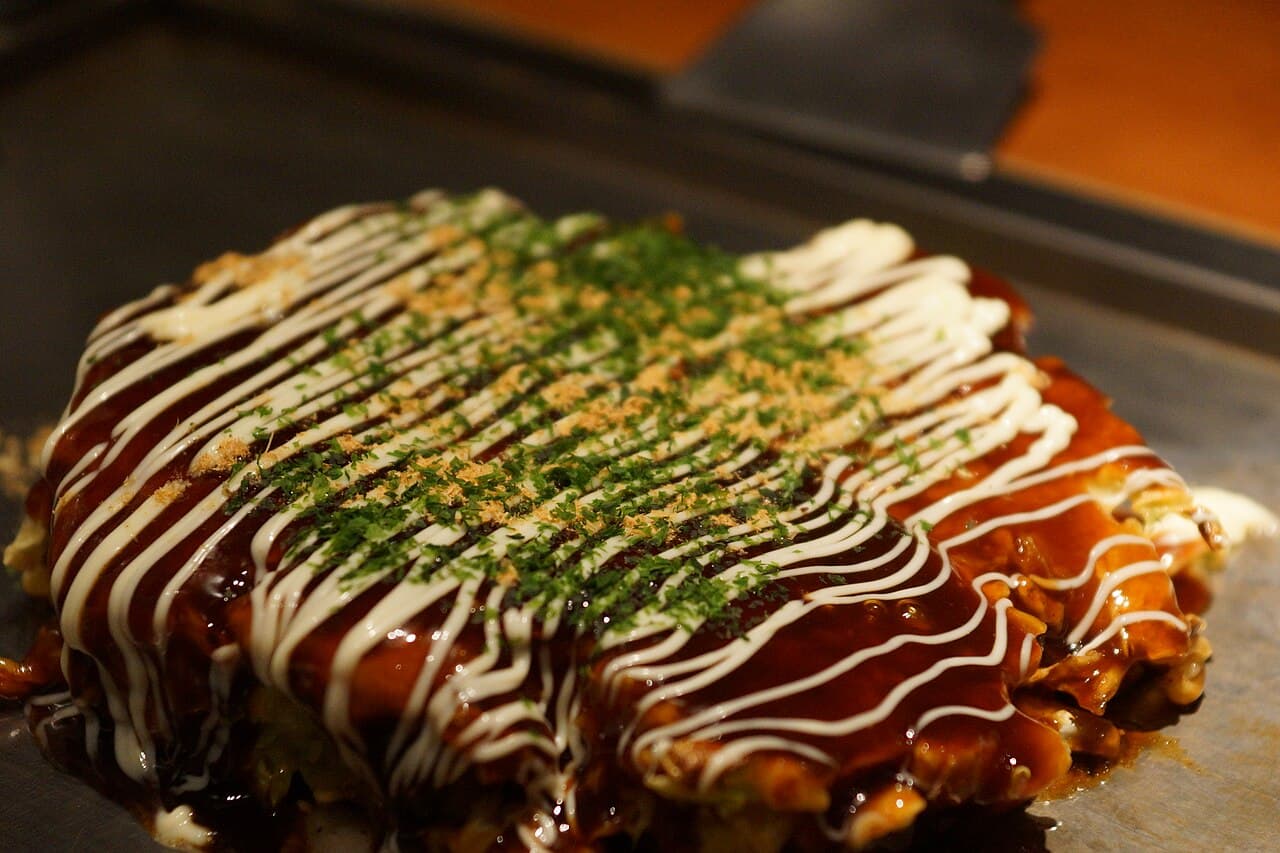
คุยดาโอเระ: กินจนล้ม
อัตลักษณ์อาหารของโอซาก้าคือ คุยดาโอเระ—ทำตัวเองพังเพราะกิน—และเมนูเด็ดของเมืองนี้เสียงดัง ราคาถูก และทำมาเพื่อแบ่งกัน นี่คือดินแดน โคนามง (อาหารข้างทางจากแป้ง): โอโคโนมิยากิ, ทาโกยากิ และไม้ คุชิคัตสึ กรอบ ๆ กินเคียงบ่าเคียงไหล่กับคนท้องถิ่นที่เคาน์เตอร์ เป็นเมืองที่เน้นความสนุกในการกินที่สุดของญี่ปุ่น แต่ต้องซื่อสัตย์กับตัวเองเรื่องอาหาร: เมนูคลาสสิกที่นี่พึ่งพาแป้ง ไข่ หมู และ ดาชิปลาโบนิโต อย่างหนัก และกระทะทอดกับซอสที่ใช้ร่วมกันเป็นส่วนหนึ่งของวัฒนธรรม เราครอบคลุมทั้งสถาบันที่ต้องลองและจุดเดียวที่สร้างทุกอย่างขึ้นใหม่แบบพืชล้วน
สถาบัน
Okonomiyaki Mizuno ในโดทงโบริย่างบนกระทะมาตั้งแต่ปี 1945—ตอนนี้รุ่นสามและได้มิชลินบิบกูร์มองด์หลายครั้ง—ขึ้นชื่อเรื่องยามาอิโมยากิที่ผสานด้วยมันภูเขาขูด เตรียมรอคิว และโปรดทราบว่าไม่เหมาะกับสายอาหารพิเศษใด ๆ (แป้ง ไข่ หมู โบนิโต) สำหรับไม้เสียบ Kushikatsu Daruma ในชินเซไกเป็นเรือธงของสายเลือดปี 1929 ใต้หอคอยสึเทนคาคุ พร้อมซอสจิ้มรวมอันเป็นเอกลักษณ์และกฎห้ามจิ้มซ้ำอันโด่งดัง—กระทะทอดและซอสรวมหมายความว่าร้านไม่ปรับให้ตามข้อจำกัดด้านอาหาร สำหรับอะไรที่นุ่มนวลกว่า Dotonbori Imai Honten เป็นร้านอุด้งเงียบสงบจากปี 1946 ด้วยดาชิคอมบุและปลาแมคเคอเรลสีทองและคิสึเนะอุด้งที่สมบูรณ์แบบ (ทำจากปลา จึงไม่ใช่มังสวิรัติ; เส้นข้าวสาลี จึงไม่ปลอดกลูเตน)
หากคุณกินแบบพืช
อาหารข้างทางคลาสสิกของโอซาก้ายากสำหรับสายอาหารจำกัด แต่ Shinsekai Paprika Shokudou สร้างมันขึ้นใหม่: อิซากายะพืชล้วน (เปิดปี 2023) ทำทาโกยากิ คุชิคัตสึ และราเมงแบบวีแกนที่ระบุเองว่าปลอดกลูเตน ออกแบบโดยไม่ใช้ดาชิปลาจึงเลี่ยงกับดักโบนิโต 'ปลอดกลูเตน' เป็นคำกล่าวอ้างของร้านเองไม่ใช่การรับรอง ผู้ป่วยเซลิแอคจึงควรยืนยันการใช้กระทะทอดเฉพาะและการจัดการปนเปื้อนข้ามโดยตรง
การวางแผน
โดทงโบริ (Mizuno, Imai) และชินเซไกที่อยู่ติดกัน (Daruma, Paprika) ล้วนเป็นย่านอาหารแสงนีออนที่เดินถึงได้—เที่ยวให้ครบภายในหนึ่งค่ำคืน กรองไดเรกทอรีเป็น โอซาก้า เพื่อวางแผนเส้นทางกิน
ร้านที่เรายืนยันแล้ว
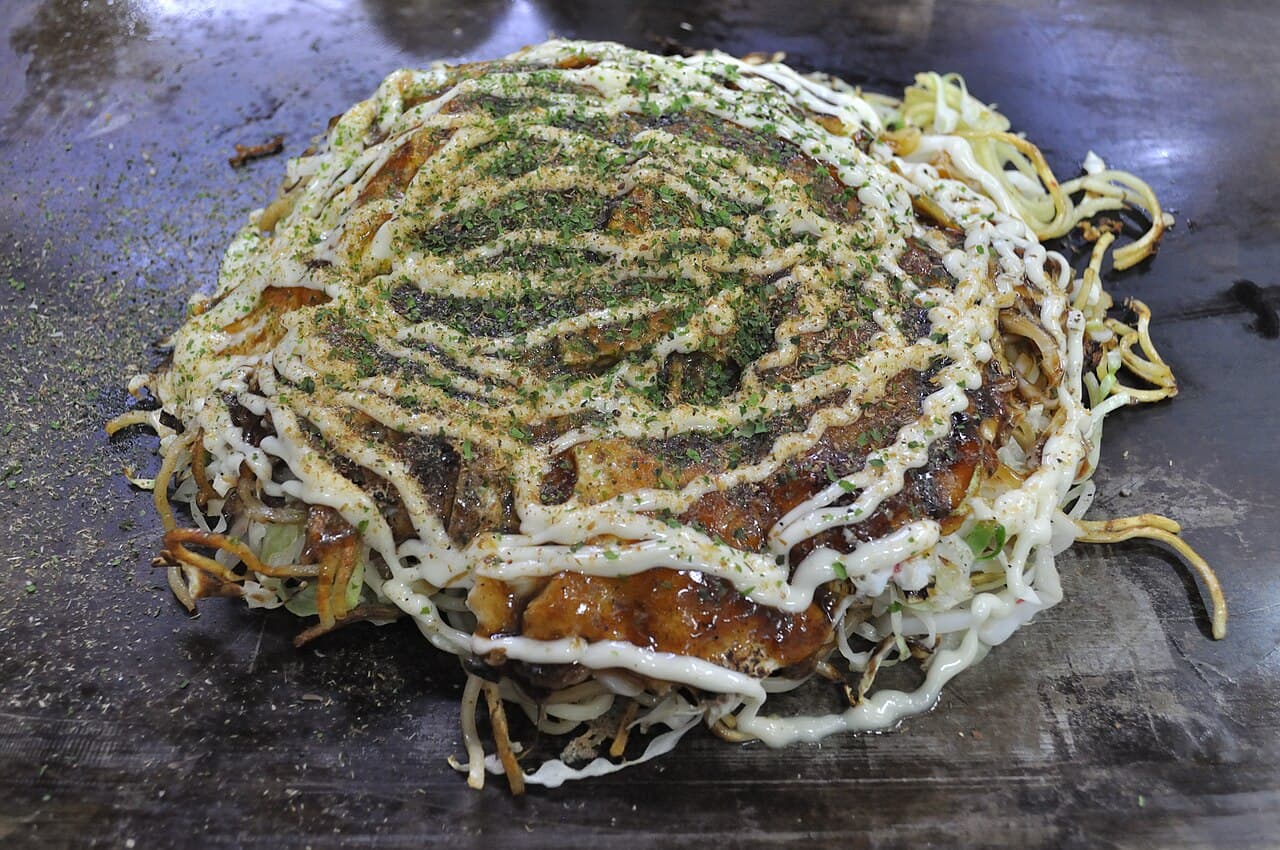
Okonomiyaki Mizuno
ยามาอิโมะยากิ — โอโคโนมิยากิที่ผูกด้วยมันภูเขาขูด
ร้านโอโคโนมิยากิเก่าแก่ในโดทงโบริก่อตั้งปี 1945 ปัจจุบันรุ่นที่สามและได้ Michelin Bib Gourmand หลายปี ขึ้นชื่อเรื่อง "ยามาอิโมะยากิ" ที่ผูกด้วยมันภูเขาขูด มักรอนาน ไม่เหมาะกับอาหารวีแกน มังสวิรัติ ฮาลาล หรือปลอดกลูเตน เพราะใช้แป้ง ไข่ หมู และดาชิโบนิโตะ
ตรวจสอบล่าสุด ก.ค. 2569- สบายๆ
- มาคนเดียว
- เดท
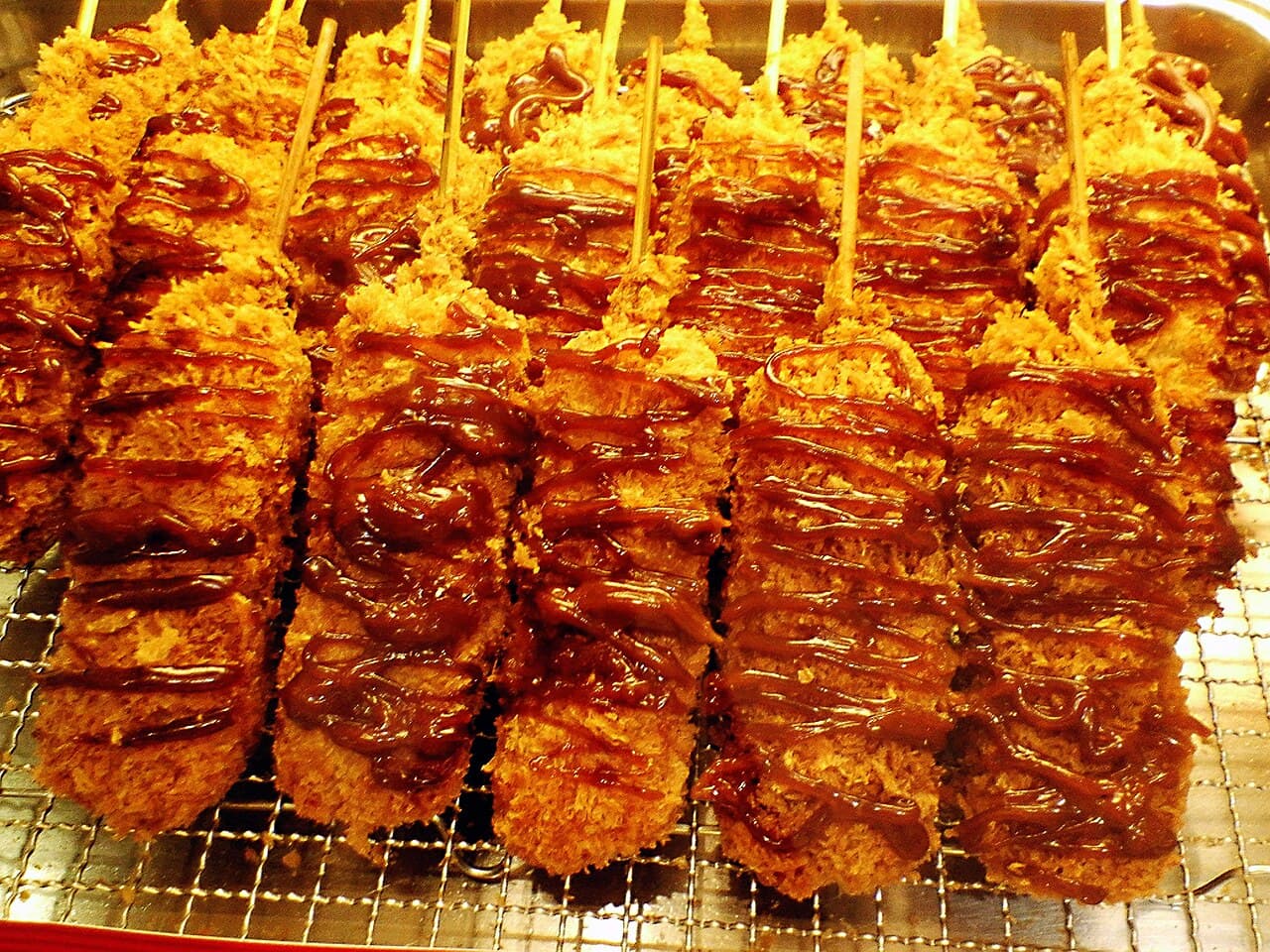
Kushikatsu Daruma Shinsekai
คุชิคัตสึเนื้อกับซอสจิ้มรวมของร้าน
เรือธงชินเซไกของสายคุชิคัตสึที่สืบมาถึงปี 1929 ใต้หอคอยสึเทนคาคุ เป็นสัญลักษณ์ด้วยซอสจิ้มรวมและกฎ "ห้ามจิ้มซ้ำ" อันโด่งดัง ไม่มีการรองรับข้อจำกัดด้านอาหาร: หม้อทอดใช้ร่วมกันทำให้ปนเปื้อนข้ามมาก แป้งมีข้าวสาลี และซอสรวมใช้ร่วมกันทุกโต๊ะ
ตรวจสอบล่าสุด ก.ค. 2569- สบายๆ
- มาคนเดียว
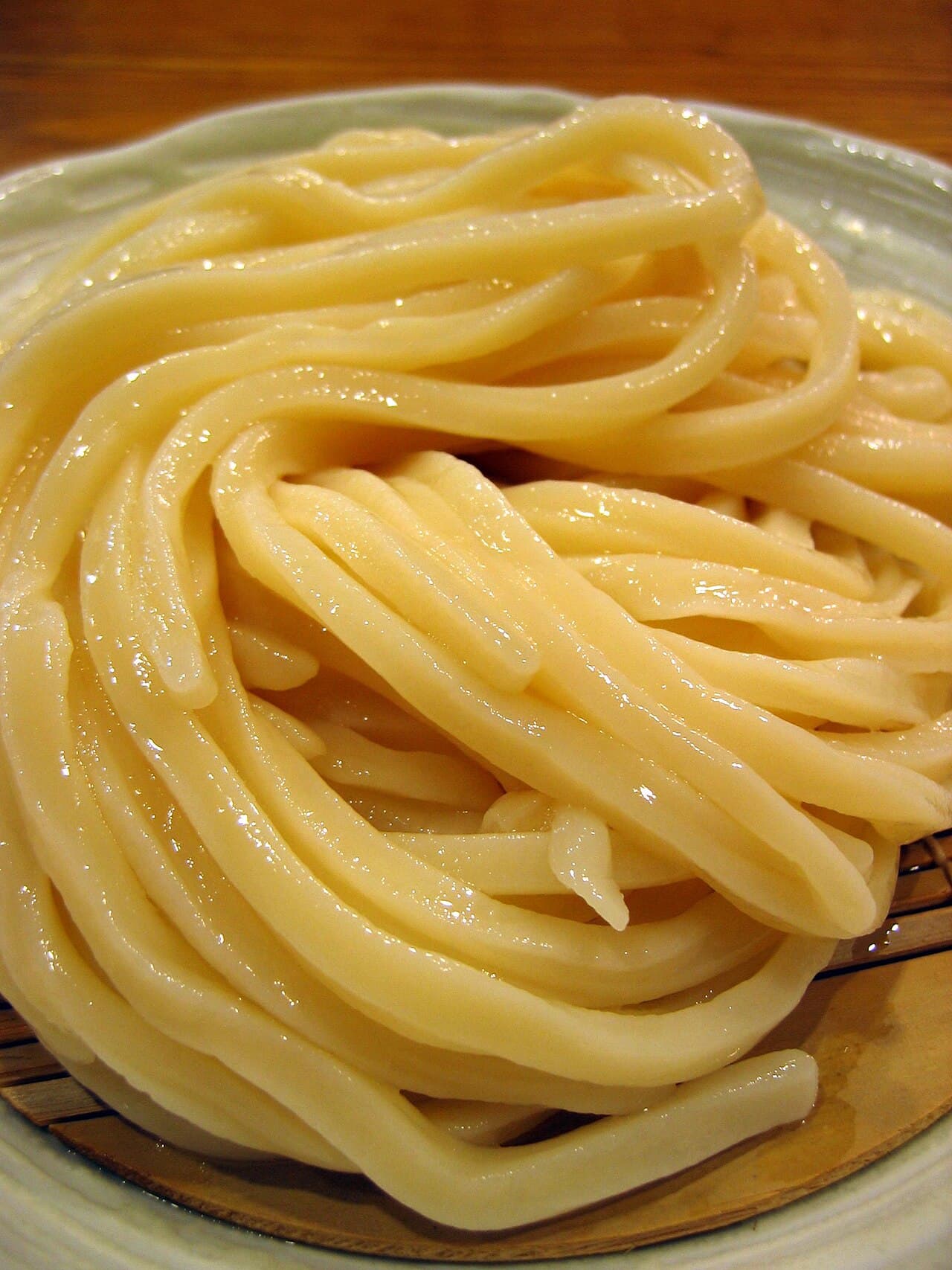
Dotonbori Imai Honten: ร้านคิทสึเนะอุด้งเก่าแก่แห่งโดทงโบริ โอซาก้า
คิตสึเนะอุด้ง — เต้าหู้ทอดหวานบนดาชิคอมบุและปลาเนื้อละเอียด
Dotonbori Imai Honten คือร้านอุด้งเก่าแก่ตั้งแต่ปี 1946 เด่นเรื่องคิทสึเนะอุด้งน้ำซุปดาชิ ปิดทุกวันพุธ
ตรวจสอบล่าสุด ก.ค. 2569- สบายๆ
- มาคนเดียว
- เดท
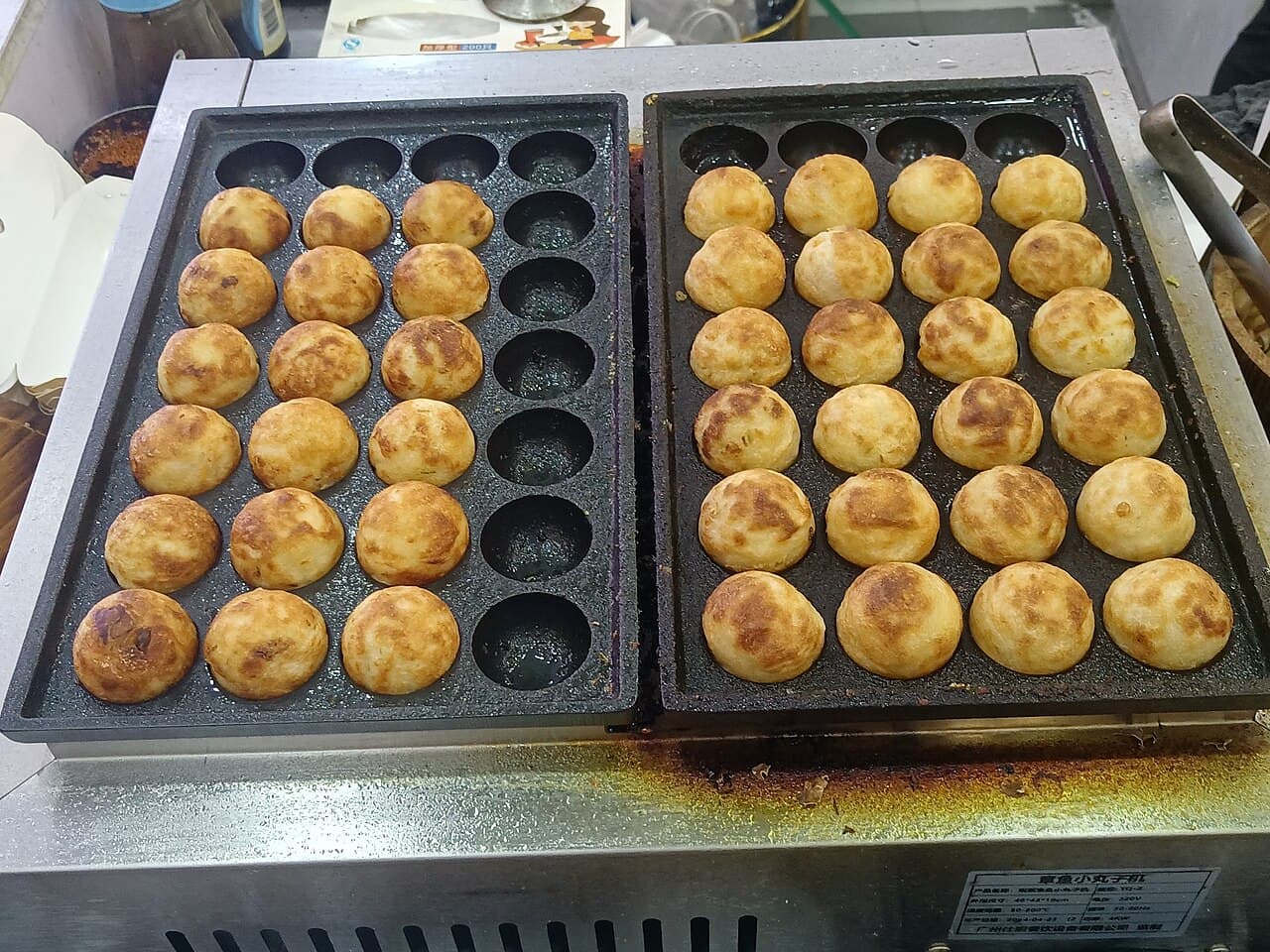
Shinsekai Paprika Shokudou
ทาโกะยากิ คุชิคัตสึ และราเมงเวอร์ชันวีแกนของอาหารริมทางโอซากา
อิซากายะ plant-based ล้วนในชินเซไก (เปิดปี 2023) เสิร์ฟอาหารริมทางโอซากาเวอร์ชันวีแกนปลอดกลูเตน — ทาโกะยากิ คุชิคัตสึ และราเมง — ไม่มีผลิตภัณฑ์จากสัตว์และไม่มีดาชิปลาโดยการออกแบบ จึงเลี่ยงกับดักดาชิโบนิโตะ "ปลอดกลูเตน" เป็นคำอ้างของร้านเองไม่ใช่การรับรอง ผู้แพ้กลูเตนควรยืนยันเรื่องหม้อทอดเฉพาะและการปนเปื้อนข้ามโดยตรง
- วีแกน
- มังสวิรัติ
- ปลอดกลูเตน
- ปลอดนม
- สบายๆ
- มาคนเดียว
คำถามที่พบบ่อย
- ควรกินอะไรก่อนในโอซาก้า?
- เริ่มจากสามเมนูโคนามง—โอโคโนมิยากิ ทาโกยากิ และคุชิคัตสึ Okonomiyaki Mizuno (ตั้งแต่ปี 1945) และ Kushikatsu Daruma ในชินเซไกเป็นสถาบันคลาสสิก; คิสึเนะอุด้งสักชามที่ Imai เป็นการปิดท้ายที่นุ่มนวล
- วีแกนหรือผู้ป่วยเซลิแอคกินอาหารข้างทางโอซาก้าได้ไหม?
- เวอร์ชันดั้งเดิมยาก—ใช้แป้ง ไข่ หมู ดาชิปลาโบนิโต และกระทะทอดกับซอสที่ใช้ร่วมกัน Shinsekai Paprika Shokudou สร้างอาหารข้างทางเดียวกันขึ้นใหม่แบบพืชล้วนและไม่ใช้ดาชิปลา; ยืนยันการจัดการปลอดกลูเตนที่ร้านระบุเองโดยตรงหากคุณเป็นเซลิแอค