
지역 가이드
후쿠오카 할랄 레스토랑 가이드: 2026년, 안심하고 먹을 수 있는 곳
후쿠오카에서 할랄 음식을 먹을 수 있을까? 짧은 답: 가능하다, 다만 신중하게 골라야 한다
후쿠오카는 할랄 레스토랑의 수에서 도쿄나 오사카에는 못 미치지만, 하카타역이나 아카사카 주변 몇 정거장 이내에 실제로 믿을 만한 선택지가 소수 존재한다. 핵심은 제3자 기관의 감사를 거치고 전용 조리기구를 사용하는 할랄 인증(halal-certified) 주방과, 가게 스스로 돼지고기·알코올을 사용하지 않는다고 설명하지만 독립적인 인증은 받지 않은 무슬림 프렌들리(Muslim-friendly) 메뉴의 차이를 이해하는 것이다. 후쿠오카에는 두 유형 모두 존재하며, 둘 다 좋은 선택이 될 수 있다—다만 지금 들어가려는 곳이 어느 쪽인지는 알아두어야 한다.
모츠나베 키와미야 아카사카점—인증 모츠나베와 와규
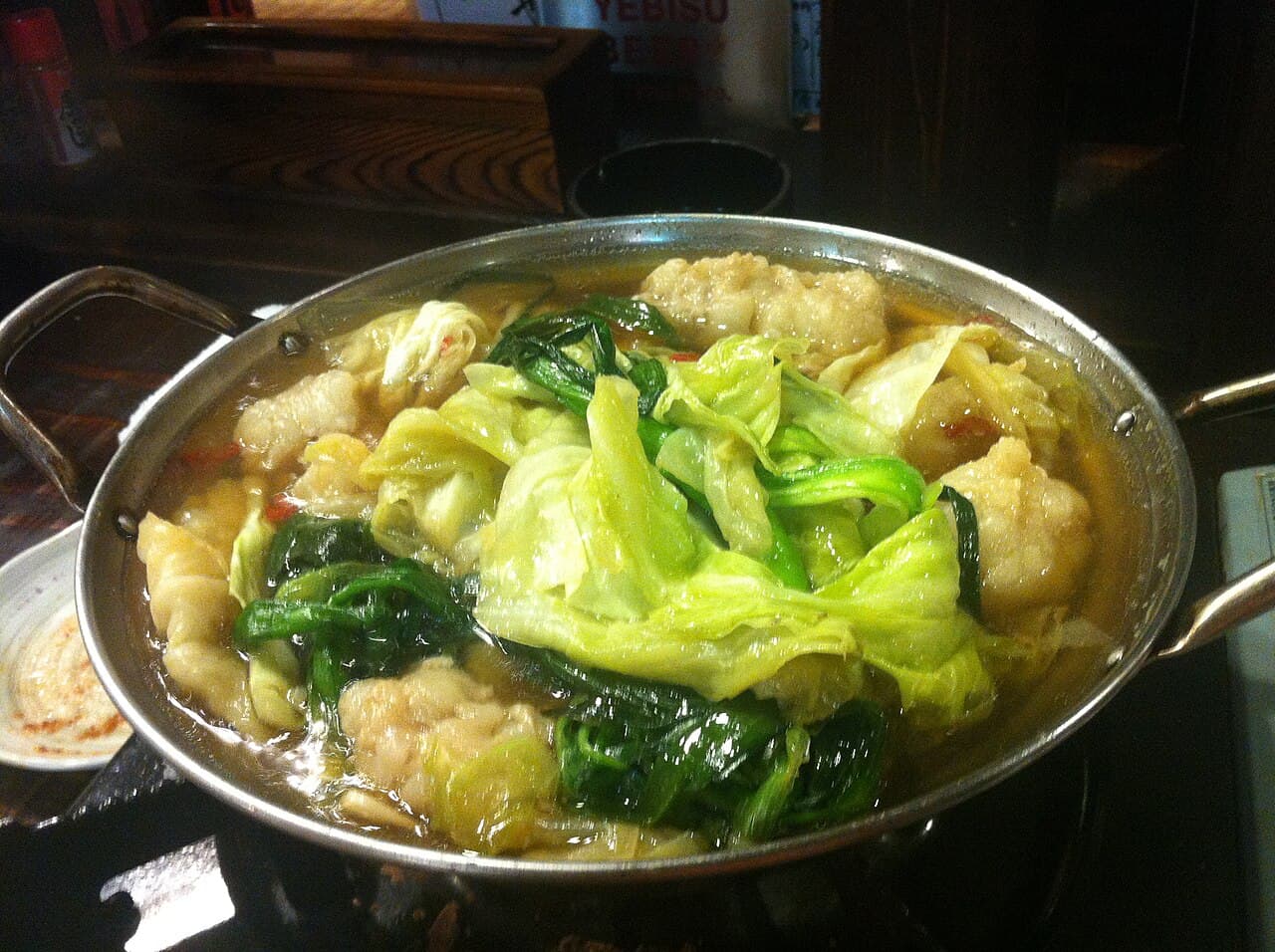
키와미야 아카사카점(福岡県福岡市中央区赤坂1丁目6-22 赤坂野田ビル1F, 아카사카역에서 도보 약 3분)은 후쿠오카 마스지드 알누르 이슬람센터(Fukuoka Masjid Al Nour Islamic Center)로부터 할랄 인증을 받았으며, 후쿠오카의 대표 요리인 소 내장 전골 모츠나베를 할랄 인증 버전으로 제공한 세계 최초의 브랜드로 널리 알려져 있다. 할랄 코스는 1인당 3,300엔이며 모츠나베, 짬뽕면, 가라아게, 소고기 허브스테이크, 두유 크림 다이후쿠 디저트가 포함된다. 키와미야는 규슈 내 여러 지점에서 할랄 함박(와규 패티) 메뉴도 운영한다. 할랄 코스는 세트 메뉴로, 단품 주문은 불가능하니 가능하다면 미리 예약하는 것이 좋다.
우오쿠라(하카타역)—할랄 와규와 사시미
하카타 미야코 호텔 내에 위치한 우오쿠라는 하카타역 치쿠시 출구에서 도보 2분 거리에 있으며, 할랄 인증 육류와 돼지고기·알코올을 사용하지 않은 조미료를 쓴다. 메뉴는 다소 고급스러운 구성으로, 규슈 쿠로게 와규 필레 스테이크, 10점 모둠 사시미 오마카세, 규슈 간장으로 만든 가라아게 등이 있다. 교차오염 걱정 없이 제대로 된 와규 디너를 즐기고 싶다면 좋은 선택이다.
자에카(아카사카)—일상적으로 이용하기 좋은 할랄 파키스탄·인도 요리
자에카(福岡県福岡市中央区舞鶴1-3-4 曙コーポ2F, 아카사카역 인근, 전화 092-732-7513)는 2008년부터 할랄 파키스탄·인도 요리를 제공해왔다—신선함이 아니라 검증된 실적으로 승부하는 곳이다. 주방 측은 모든 메뉴가 할랄이며, 고기는 이슬람식 도축 방식에 따라 준비되고, 예배도 실천하고 있다고 밝히고 있다. 비리야니와 커리는 대략 1,000~2,000엔대. 런치는 11:30~15:00(라스트 오더 14:40), 디너는 18:00~23:00(라스트 오더 22:30)이며 공휴일 포함 연중무휴로, 일정이 빠듯할 때 유용하다.
카페 토루코(롯폰마쓰)—무슬림이 운영하는 터키 음식점
후쿠오카 중심부에서 조금 떨어진 롯폰마쓰(福岡市中央区六本松1-3-14)에 있는 카페 토루코는 무슬림 오너와 무슬림 셰프가 운영하며, 주방을 할랄 전용이라고 소개한다. 다만 이번 조사에서는 이 매장의 제3자 할랄 인증 여부를 독자적으로 확인하지 못했으므로, “인증된” 곳이 아니라 “신뢰할 수 있는 무슬림 운영 주방”으로 받아들이는 것이 좋다—인증 여부가 중요하다면 직원에게 직접 물어보길 권한다. 런치 11:30~15:00, 디너 18:00~22:00, 부정기 휴무.
피해야 할 함정
- 하카타의 명물 돈코츠 라멘은 할랄이 아니다—예외가 없다. 육수 자체가 정의상 돼지 뼈로 만들어지기 때문이다. “할랄 이치란” 같은 주장은 의심해야 한다. 확인할 수 없었으며, 인증 없이는 먹지 않는 것이 좋다.
- “돼지고기 없음”이 할랄과 같은 말은 아니다. 눈에 보이는 돼지고기가 없는 메뉴라도 소스나 육수에 미림, 사케, 돼지 유래 젤라틴이 쓰일 수 있다.
- 간장에는 밀이 들어 있다—“타마리(たまり)”라고 명시된 것이 아니라면. 글루텐도 피해야 한다면 확인이 필요하다.
- 다시(육수)는 숨은 함정이다—비건 상황에만 국한된 이야기가 아니다. “채소” 요리나 해산물처럼 보이는 요리도 가다랑어포나 니보시(말린 정어리) 육수를 베이스 조미료로 쓰는 경우가 많다.
실용 팁
- 유용한 표현: 「ハラール認証ですか?」(harāru ninshō desu ka?)—“이거 할랄 인증인가요?”라는 뜻으로, 단순히 “돼지고기 없나요?”라고 묻는 것보다 더 정확한 답을 얻을 수 있다.
- 아카사카역(공항선)은 이 가이드에서 가장 유용한 거점이다—키와미야와 자에카 모두 도보 몇 분 거리에 있다.
- 하카타역은 우오쿠라를 방문하거나, 최근 몇 년 새 무슬림 프렌들리 매장이 늘어난 캐널시티 주변을 다닐 때의 기본 거점으로 좋다.
- 예배 공간 여부는 매장마다 다르므로 필요하다면 미리 전화로 확인하고, 후쿠오카 공항에도 전용 예배실이 있다는 점을 참고하자.
Sources
자주 묻는 질문
- 후쿠오카의 하카타 라멘(돈코츠)이 할랄인 경우가 있나요?
- 없습니다. 돈코츠 육수는 돼지 뼈로 만들어지기 때문에 메뉴나 여행 블로그가 뭐라고 주장하든 정의상 할랄이 될 수 없습니다. 라멘 스타일의 면 요리를 원한다면, 하카타의 어느 라멘집이든 해당될 것이라고 가정하지 말고, 닭고기나 채소 베이스의 대안을 제공하는 할랄 인증 주방을 찾으세요.
- 후쿠오카 레스토랑 정보에서 “할랄 인증”과 “무슬림 프렌들리”의 차이는 무엇인가요?
- “할랄 인증”은 제3자 기관(예: 키와미야와 우오쿠라를 인증한 후쿠오카 마스지드 알누르 이슬람센터)이 재료, 도축 방식, 종종 주방 설비까지 감사했다는 의미입니다. “무슬림 프렌들리” 또는 “돼지고기·알코올 미사용”은 독립적인 인증 없이 레스토랑이 스스로 자기 메뉴를 그렇게 설명하는 경우를 말합니다—여전히 합리적인 선택이 될 수 있지만, 인증 여부가 중요하다면 직원에게 세부 사항을 확인하는 것이 좋습니다.