Food culture

Casual & conveyor-belt sushi: great fish without the formality

Casual & conveyor-belt sushi: great fish without the formality

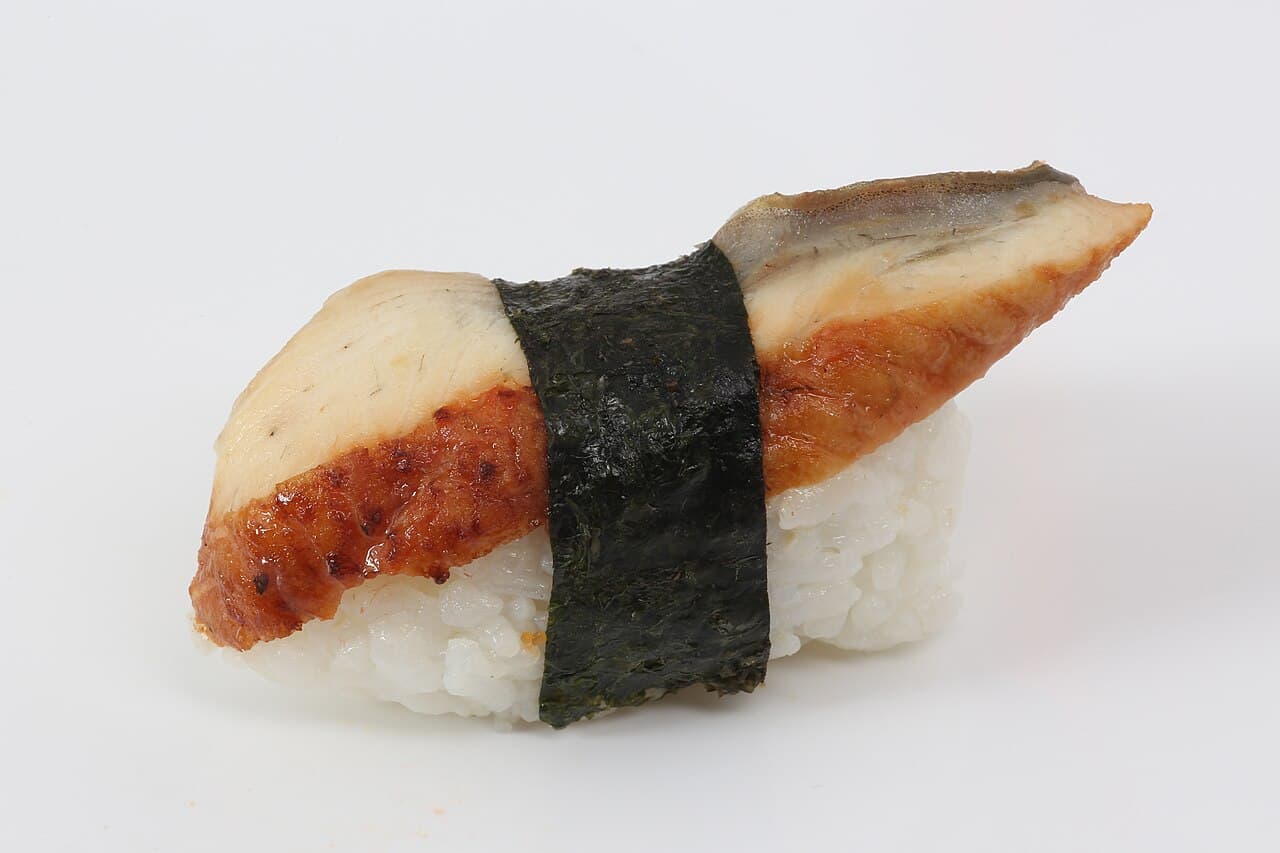
© Tim Reckmann · CC BY 2.0

Sushi for everyone

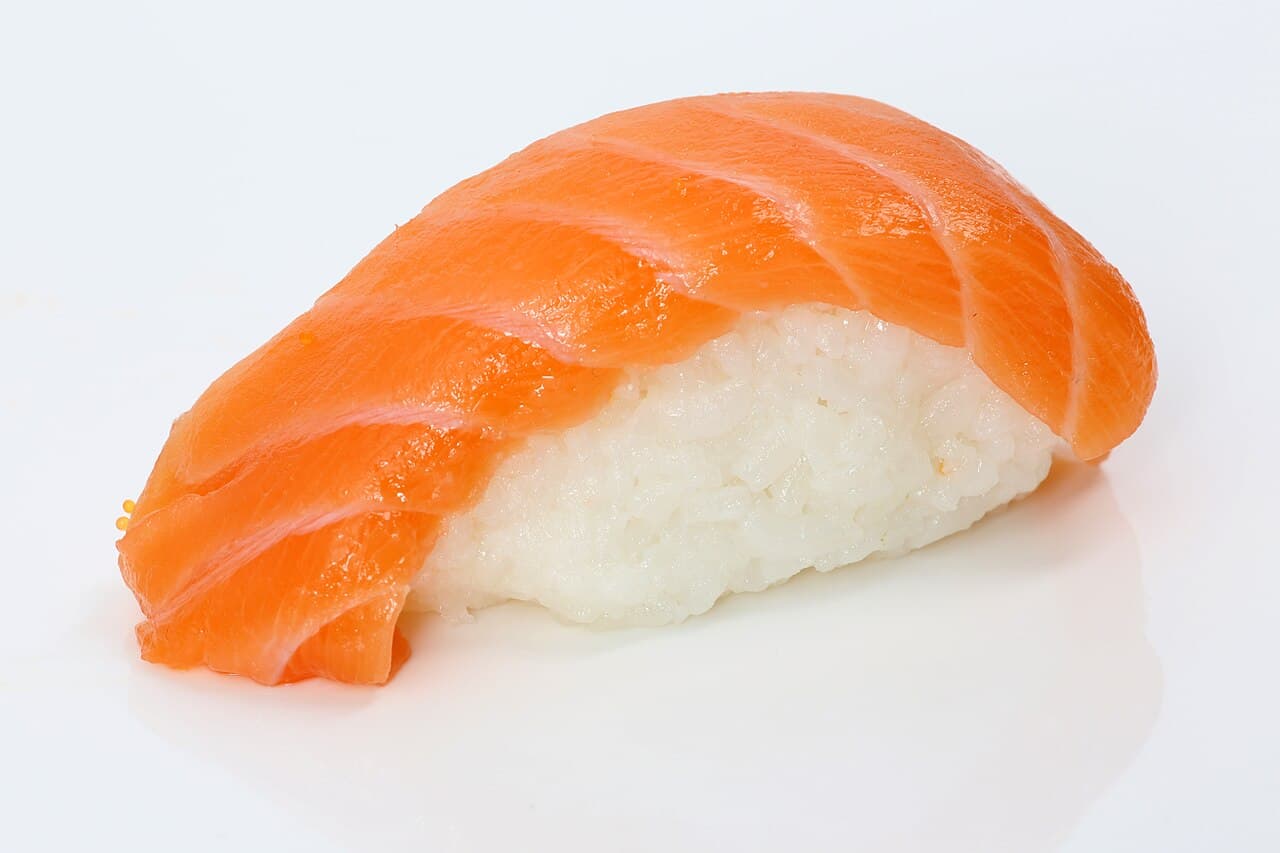
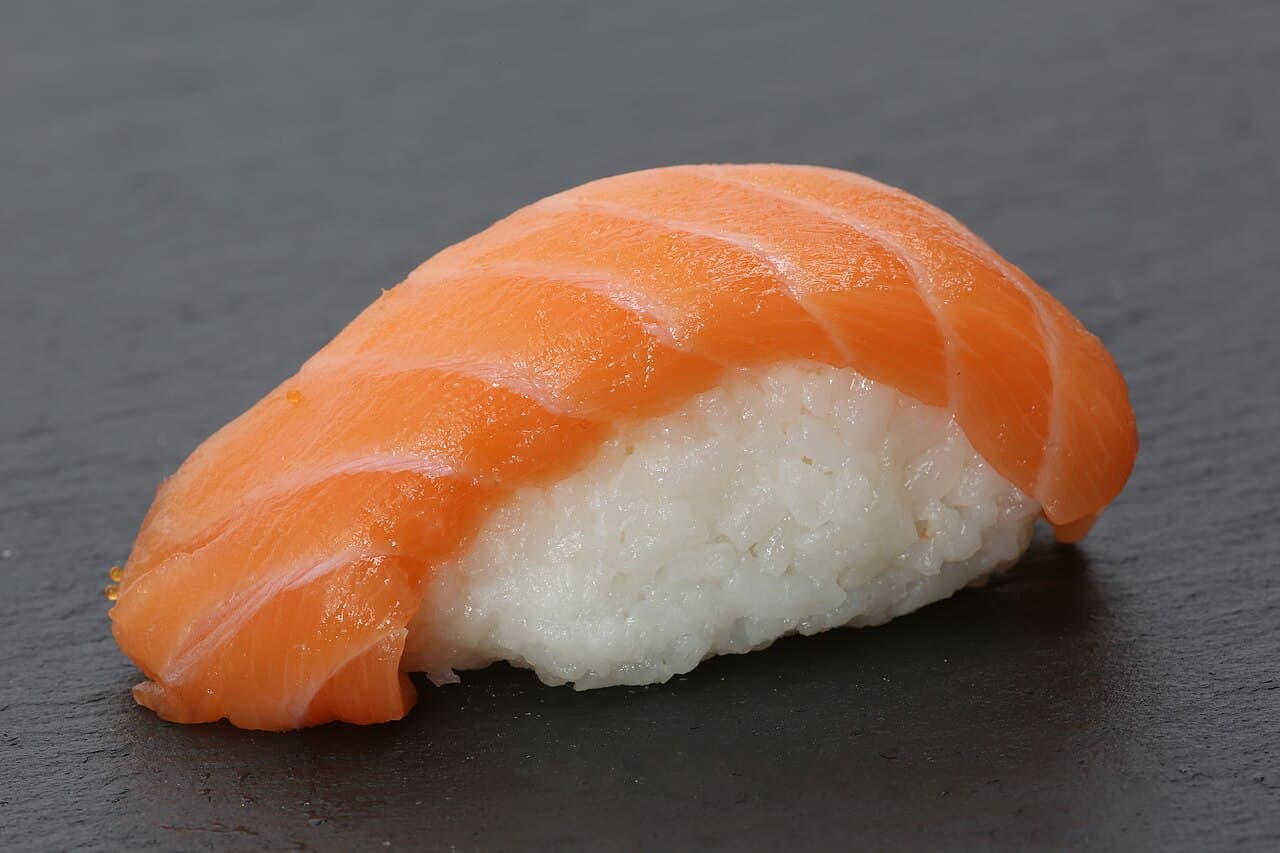
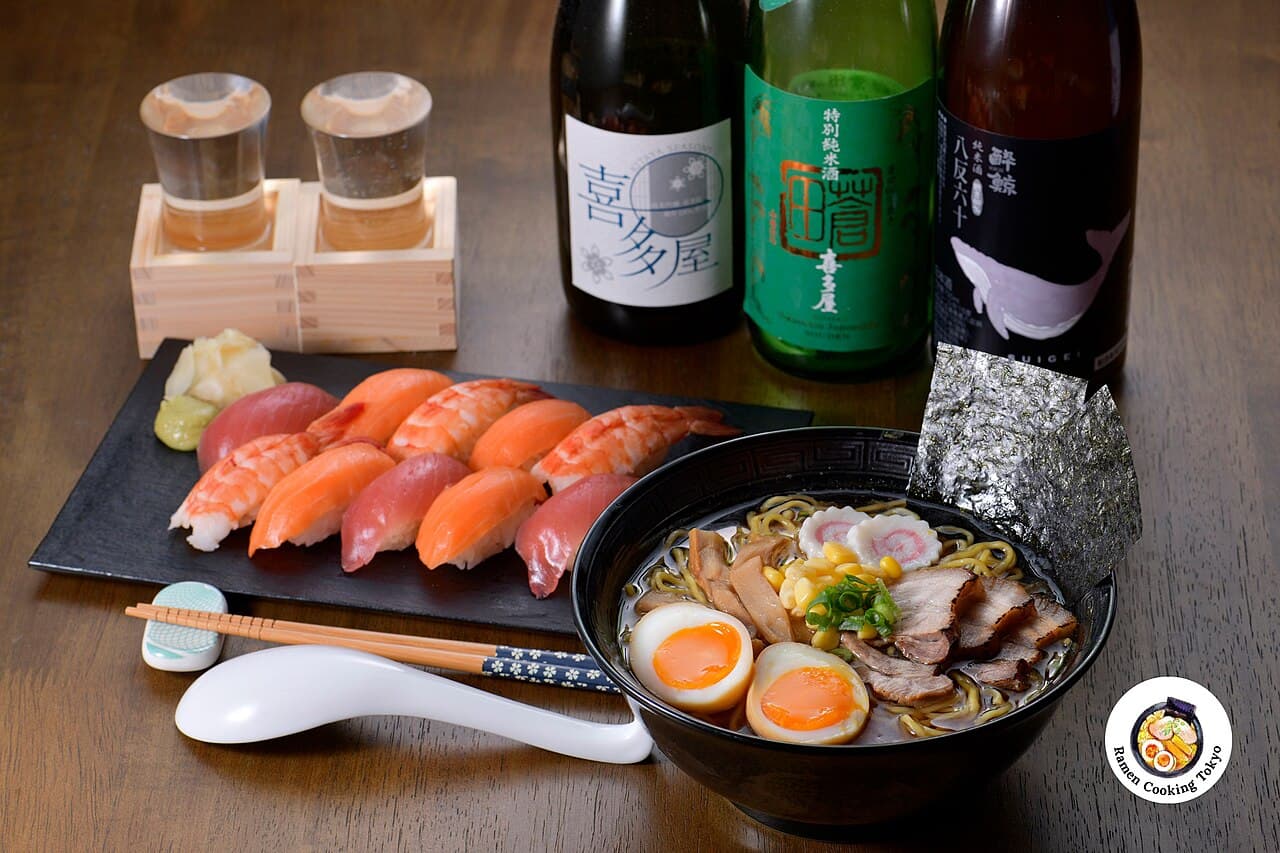
The omakase counter is one kind of sushi joy; the kaiten (conveyor-belt) shop is another. Plates circle past on a belt (or arrive by touch-screen order and a little bullet-train tray), prices are printed by colour, and nobody minds if you're new. It's the most relaxed, wallet-friendly and beginner-proof way to eat very fresh fish in Tokyo.

How conveyor-belt sushi works

  • Grab or order. Take plates off the belt, or order fresh from a tablet (often with English and photos) so it arrives made-to-order.
  • Pay by the plate. Plate colour or pattern = price. Staff count your stack at the end.
  • Green tea is free. There's powdered matcha and a hot-water tap at your seat; help yourself.
  • Ginger and soy are on the counter. Dip the fish, not the rice.

Where to go

For Hokkaido-fresh fish by Tokyo Station, Nemuro Hanamaru in KITTE Marunouchi is a cut above the average belt. In Shibuya, Katsu Midori (Seibu 8F) and Umegaoka Sushi no Midori (Mark City) are famous for generous, well-priced nigiri — expect a ticketed queue at peak times. For a fun, budget, touch-screen experience, Uobei in Shibuya fires plates to your seat on a mini bullet train. Near Ueno's Ameyoko, Maguro Bito is a beloved tuna-forward belt.

Good to know

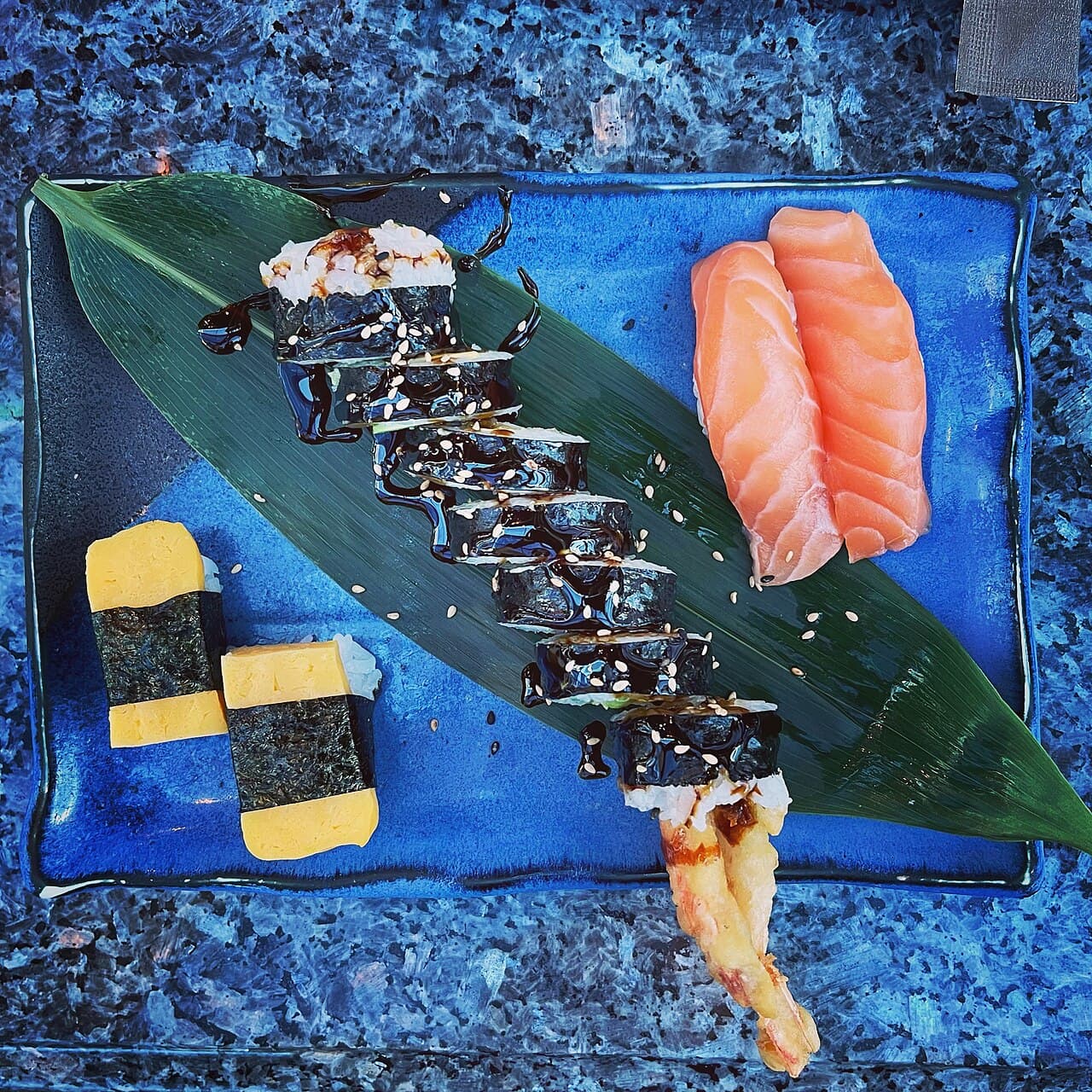
Pure seafood-and-rice, conveyor sushi is naturally pescatarian. It is not gluten-free (soy sauce contains wheat). Vegetarians can find cucumber, egg, natto and inari rolls, but the rice and dashi may not be strictly vegetarian — ask if it matters.

我们已确认的餐厅

Tokyo Station · Hokkaido conveyor-belt (kaiten) sushi · ¥¥

Nemuro Hanamaru KITTE Marunouchi

Fresh Hokkaido (Nemuro) seafood nigiri at reasonable prices

A Hokkaido-based kaiten-sushi chain on the 5th floor of KITTE by Tokyo Station, serving fresh Nemuro seafood. It is naturally seafood-forward (no meat needed) and easy for solo diners, though the dishes are not gluten-free.

  • 鱼素
  • Casual
  • Solo

Shibuya · Conveyor-belt (kaiten) sushi · ¥¥

Katsu Midori (Mawashi-Zushi Katsu), Seibu Shibuya

Premium nigiri like otoro and jumbo sweet shrimp at modest prices

A popular conveyor-belt sushi restaurant on the 8th floor of Seibu Shibuya, praised for generous cuts of quality fish at modest prices; lines are common. Seafood-forward and good for solo diners, but not gluten-free.

  • 鱼素
  • Casual
  • Solo

Shibuya · Sushi (large, value-for-money neta) · ¥¥

Umegaoka Sushi no Midori Sohonten (Shibuya)

Generously cut nigiri sets at reasonable prices

A long-running, hugely popular sushi restaurant inside Shibuya Mark City known for large, value-for-money nigiri; expect a wait and use the ticket system. Seafood-forward and well-suited to pescatarians, though not gluten-free.

  • 鱼素
  • Casual
  • Solo

Shibuya · Conveyor-belt (kaiten) sushi · ¥

Uobei Shibuya Dogenzaka

Made-to-order nigiri by mini bullet train, from ¥150 a plate

Order from a touch panel and watch your nigiri rocket to your seat aboard a miniature bullet train — Tokyo's most fun budget sushi.

  • Solo
  • Casual

Okachimachi · Standing sushi (tachigui) · ¥¥

Maguro-bito Ueno

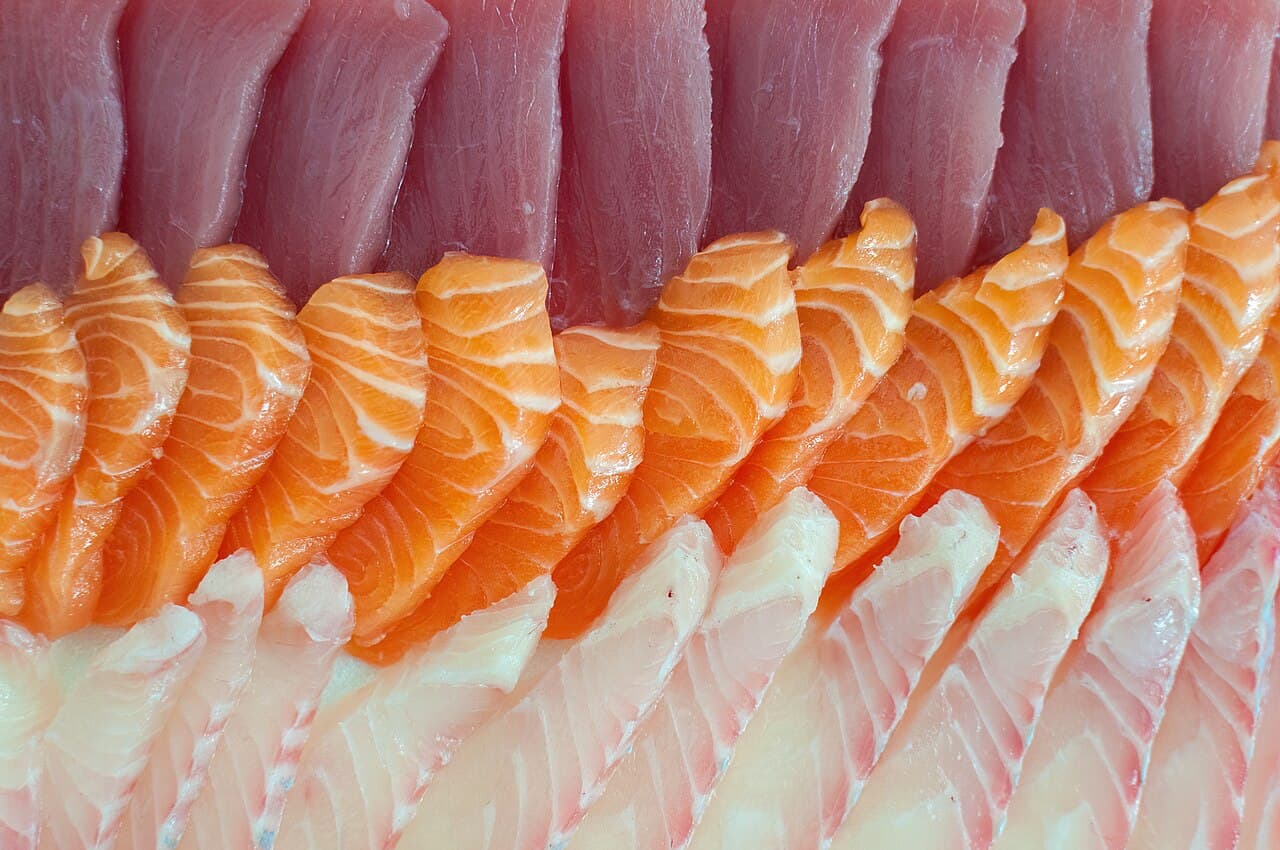
Tuna flight: akami, chutoro and otoro cut to order

A bustling standing sushi bar on the edge of Ameyoko where serious tuna cuts are sliced to order at pocket-money prices.

  • 鱼素
  • Solo
  • Casual

Sources

  1. Nemuro Hanamaru (official)

FAQ

Is conveyor-belt sushi lower quality?
Not necessarily. Many belt shops use very fresh fish; some (like Nemuro Hanamaru) are genuinely excellent. You trade a chef's pacing for speed, price and ease.
Can I order if I don't read Japanese?
Yes — most have English/photo touch-screens, and you can simply take plates off the belt. It's one of the easiest dining experiences for visitors.
Misaki Honda
  • 12y food writing
  • Inbound dining specialist
  • Sommelier

Tokyo food editor covering inbound dining — 300+ meals a year, chosen by the moment and the menu.