
Is ramen vegetarian in Japan? Usually not — here's why
The short answer
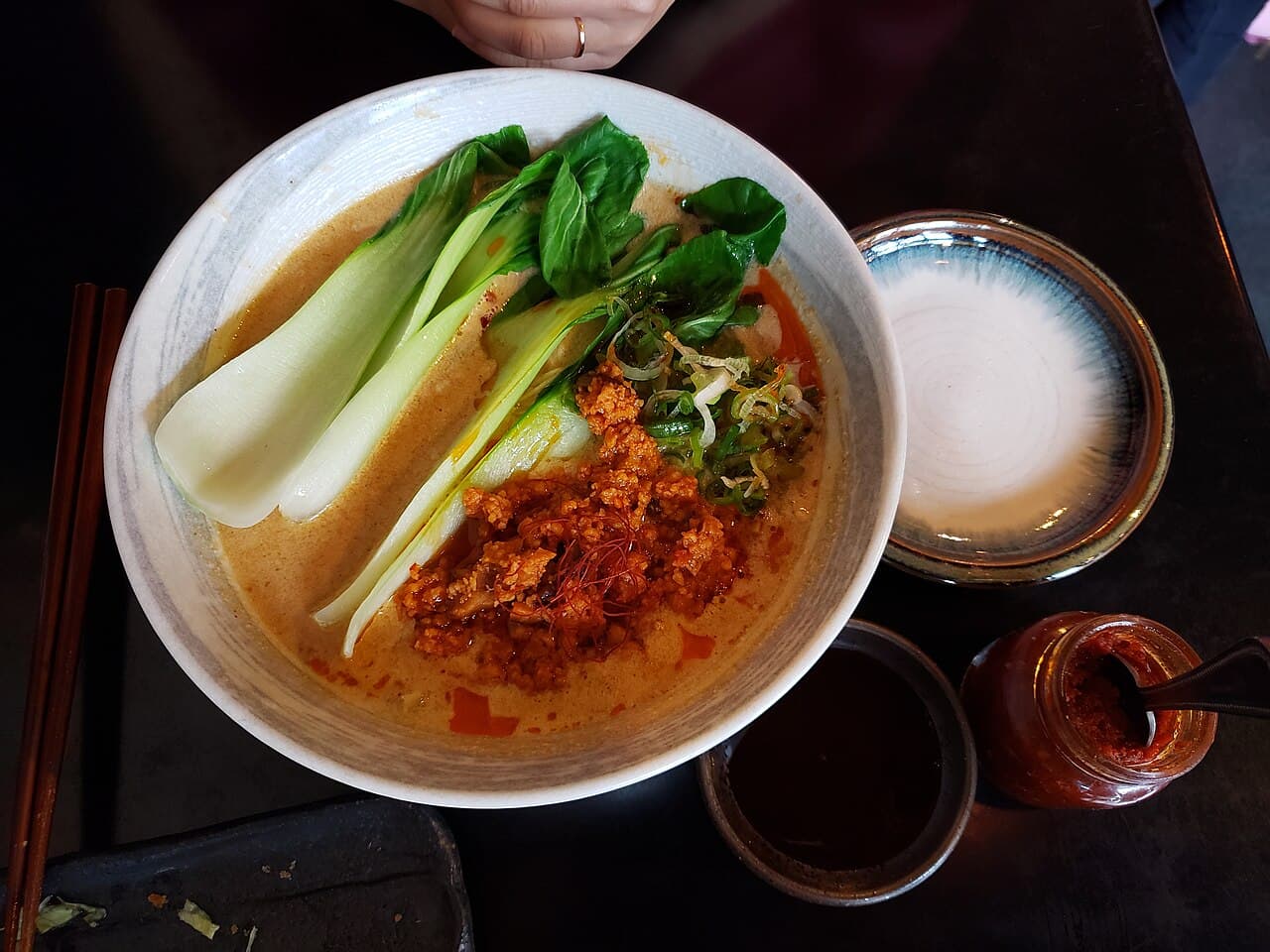
No — most ramen in Japan is not vegetarian, and that surprises people because the bowl can look meat-free. The catch is almost never what you can see; it is the broth. Even a clear, pale bowl with only noodles and greens is usually built on animal stock.
This is a companion to our entry guide, can vegans eat in Japan? — the same culprit (dashi) is at work here. The good news at the end: real vegetarian and vegan ramen does exist, and it is excellent.
Why the broth is the problem
Ramen is defined by its stock, and the classic stocks are animal-based:
- Tonkotsu is a rich, cloudy broth simmered for hours from pork bones. Not vegetarian, full stop.
- Shoyu (soy-sauce) and shio (salt) ramen are usually built on chicken and/or pork stock blended with dashi — and that dashi is typically katsuobushi (dried bonito fish) or niboshi (dried sardines).
- Miso ramen is the trap that catches the most vegetarians: miso paste is plant-based, but the broth it is dissolved into is normally the same fish-and-meat stock.
On top of the broth, the default topping is chashu (braised pork), and the soft egg (ajitama) rules it out for vegans even when the broth somehow does not.
So is any 'normal' ramen safe?
Rarely, and never assume. A shop advertising a 'vegetable' bowl may still finish it with bonito or a splash of pork fat for body. The only reliable path at a regular ramen shop is to ask directly whether the soup is animal-free — and even then, dedicated vegetarians may prefer a kitchen that specialises in it.
Useful to ask: "Sūpu wa niku ya sakana o tsukatte imasu ka?" — does the soup use meat or fish? For the full set of cards you can show staff, see our Japanese dietary phrases guide.
The good news: real vegan ramen
Japan now has dedicated kitchens making genuinely plant-based bowls — built on kombu and shiitake-mushroom dashi, with soy-based or vegetable broths and plant toppings. Some are good enough to fool carnivores. We keep a running, restaurant-led list in the best vegan ramen in Tokyo; for the wider plant-based scene (temples, cafes, sweets), start with our vegan & vegetarian Tokyo guide.
What about gluten?
Separate issue, often confused: even vegetarian ramen is not gluten-free. Wheat noodles are wheat, and the tare (seasoning) is usually soy sauce, which is brewed with wheat. If you need gluten-free, that is a different search — see our gluten-free Tokyo guide.
The bottom line
Is ramen vegetarian in Japan? Usually not — the broth and toppings are animal-based even when the bowl looks innocent. Ask about the soup, lean on shops that specialise in plant-based ramen, and you can still eat a great bowl.