
에티켓
현지인처럼 스시 먹는 법
정말 중요한 단 하나의 규칙
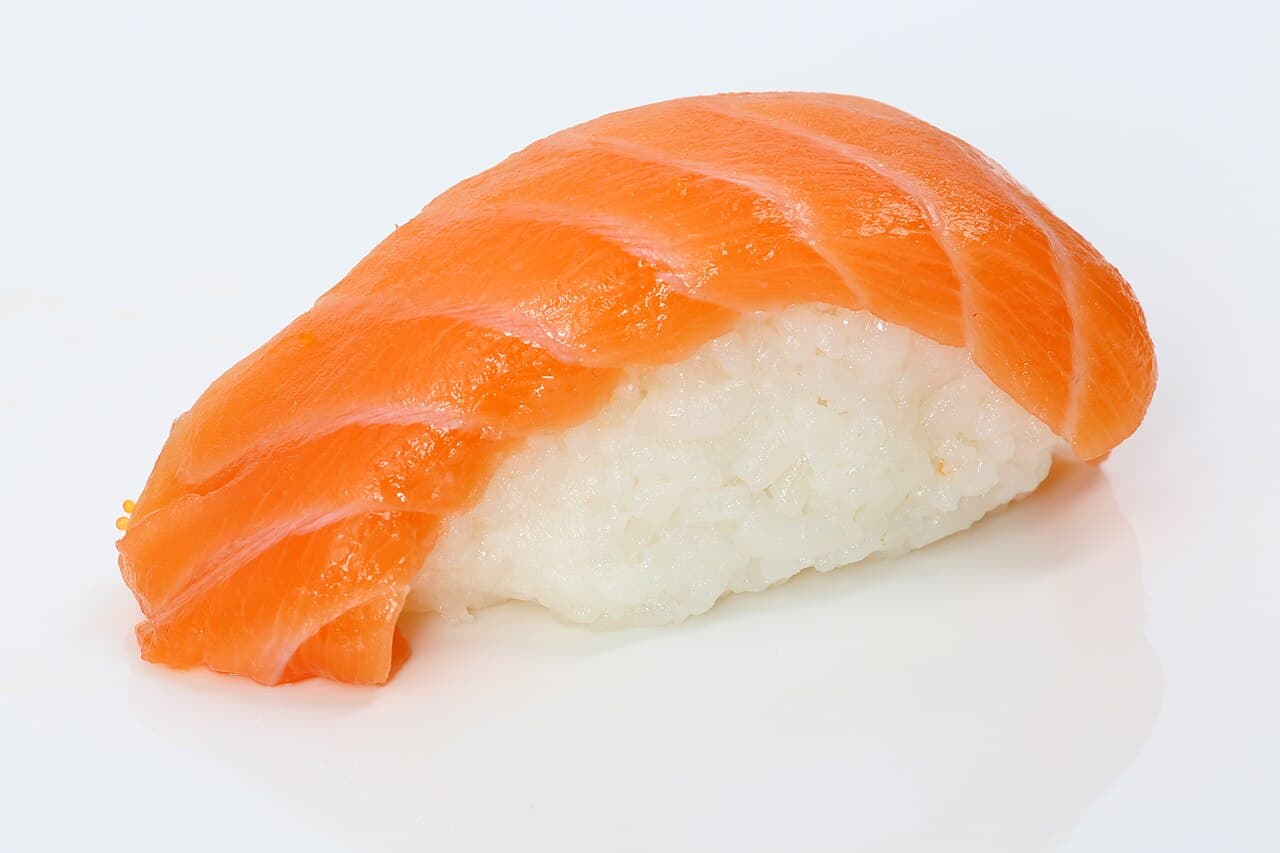
밥이 아니라 생선을 찍으세요. 니기리 한 점을 뒤집어 위에 올린 재료만 간장에 닿게 하면, 밥은 그대로 유지되고 생선의 맛을 느낄 수 있습니다 — 짠맛만 한입 가득 무는 게 아니라요. 간장에 흠뻑 젖은 밥이 접시에서 무너지는 것이야말로 가장 분명한 '관광객' 신호입니다.
손으로 먹어도 됩니다
니기리는 에도 시대의 길거리 음식이었습니다. 손가락으로 먹는 것은 완전히 올바르며 — 좋은 카운터에서는 오히려 선호되기도 합니다. 사시미(밥이 없는 생선)는 젓가락으로 먹습니다.
한입에, 반으로 베어 물지 말 것
각 점은 통째로 한입에 먹도록 만들어졌습니다. 잘라서 먹으면 셰프가 맞춘 밥과 생선, 와사비의 균형이 무너집니다.
생강은 입가심용
초생강(가리)은 점과 점 사이에 먹으며 입맛을 초기화하는 것입니다 — 스시 위에 얹어 쌓는 것이 아닙니다.
오마카세 카운터에서
셰프가 이끄는 대로 두세요. 밥이 체온일 때 각 점을 지체 없이 먹고, 좋았던 점을 말하며, 모든 것을 간장에 담그지 마세요 — 많은 카운터가 이미 각 점에 니키리(양념 간장)를 발라주므로 찍을 필요가 없습니다. 헷갈리면 물어보세요.
어디서 시작할까
영어 지원을 원하는 초보자에게는 Asakusa Sushi Ken(일본 최초의 할랄 인증 스시집)과 도요스의 전설적인 시장 카운터 Sushi Dai가 몸소 배우기 좋은 친절한 곳입니다.
확인된 맛집
Asakusa Sushi Ken
에도마에 니기리 코스 — 간장부터 생선까지 전부 할랄 인증
센소지 코앞에 있는 일본 최초의 할랄 인증 스시집. 간장·생선·절임까지 모두 할랄인 에도마에 니기리 코스를 내며, 지역 모스크와 함께 만든 2층 기도실을 갖췄다.
- 할랄
- 페스코
- 데이트
- 기념일
Sources
자주 묻는 질문
- 와사비를 꼭 써야 하나요?
- 아니요. 셰프가 보통 밥과 생선 사이에 조금 넣어둡니다. 원하면 빼달라고(사비누키) 하거나 더 달라고 하세요.
- 접시에 간장을 남기면 무례한가요?
- 처음에는 조금만 따르세요. 간장이 흥건히 남으면 낭비처럼 보입니다; 필요하면 언제든 더 부으면 됩니다.